


A Kanha Tiger Safari is one of the most immersive wildlife experiences in India , a place where endless meadows, tall sal forests, and misty valleys create the perfect stage for tigers, barasingha, and a stunning array of wildlife. Kanha’s landscapes feel almost dreamlike: sunrise rays cutting through sal trees, herds of deer grazing in open grasslands, and the soft calls of birds drifting over morning fog. But planning a safari in Kanha can feel confusing if you’re not sure about the best seasons, zones, or how the safari system works. This guide gives you a clear understanding so you can explore Kanha National Park, one of India’s finest tiger reserves, with ease and excitement.
History of Kanha
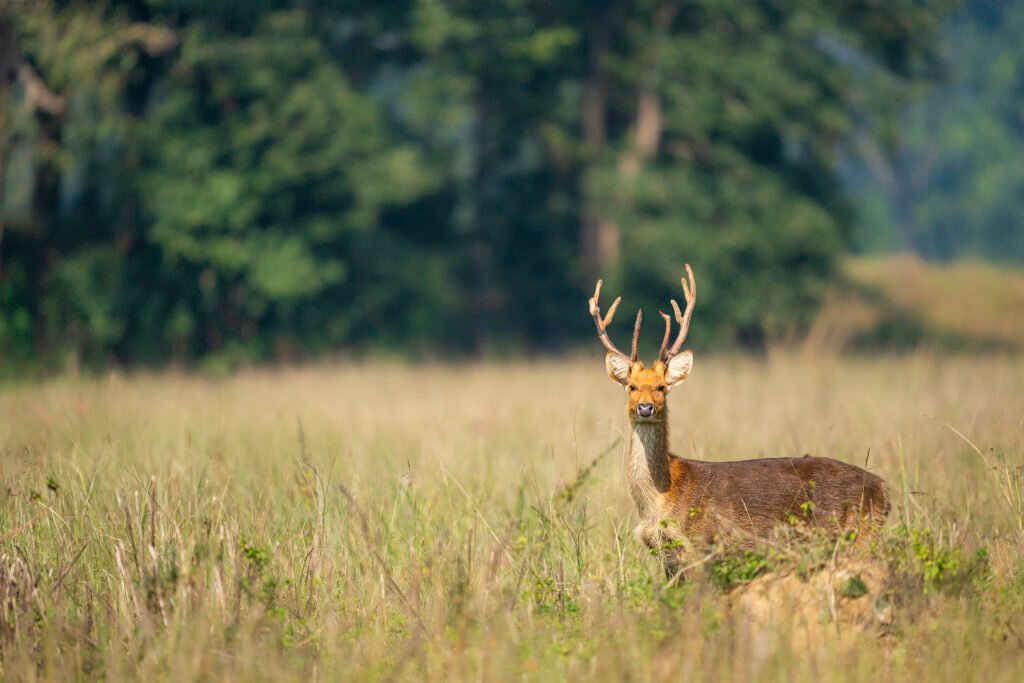
Kanha’s story is deeply tied to India’s conservation legacy. The region was once a hunting ground for local rulers before gaining protection as a wildlife sanctuary in 1933. Over time, its ecological importance became undeniable , especially as the last remaining population of the hard-ground swamp deer (barasingha) struggled to survive. In 1955, Kanha was declared a National Park, and later became a core part of Project Tiger in 1973.Its name is believed to be inspired by the ‘kanhar’ soil (black in colour) that dominates the landscape, stretching across the Maikal range of the Satpuras. Today, Kanha stands as one of India’s most beautifully preserved natural ecosystems, known for reviving the barasingha and offering a safari experience that many consider among the best in India.
What to Expect on a Kanha Tiger Safari
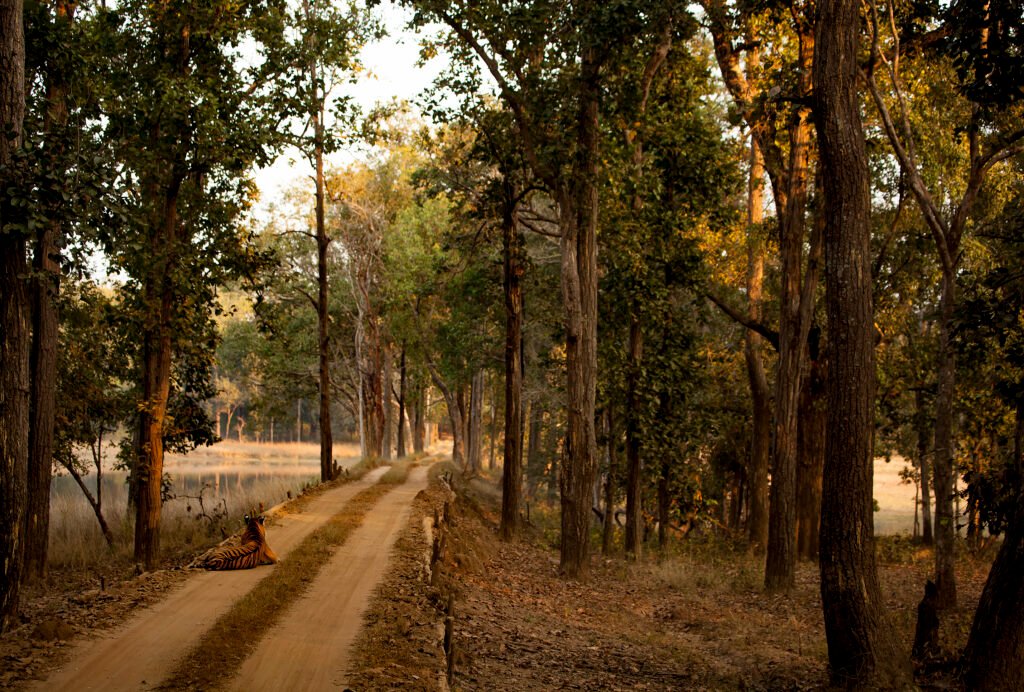
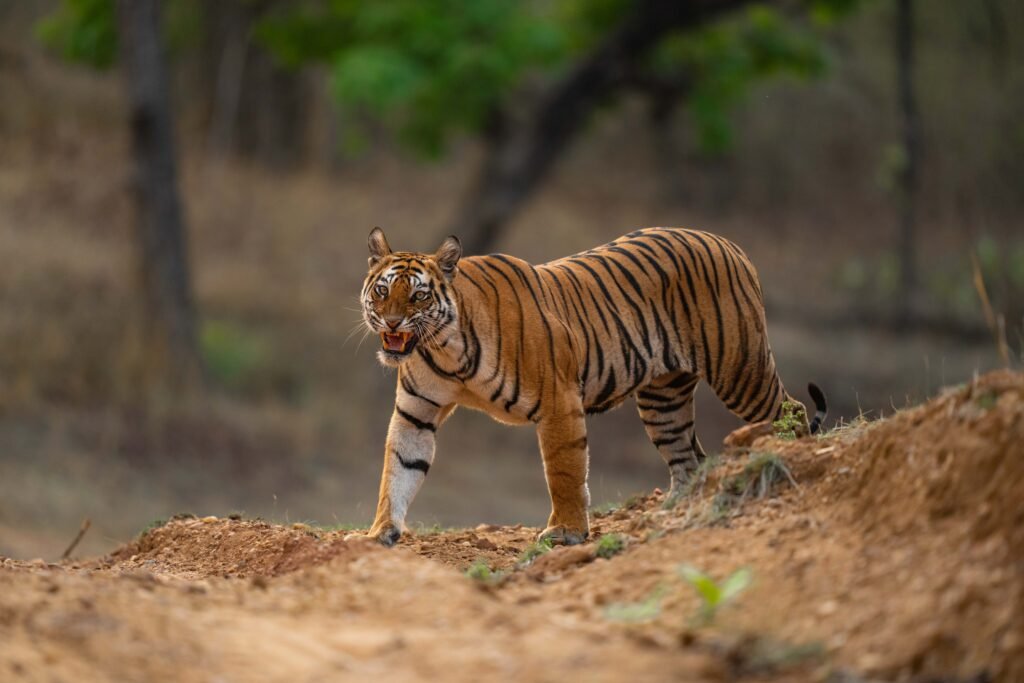
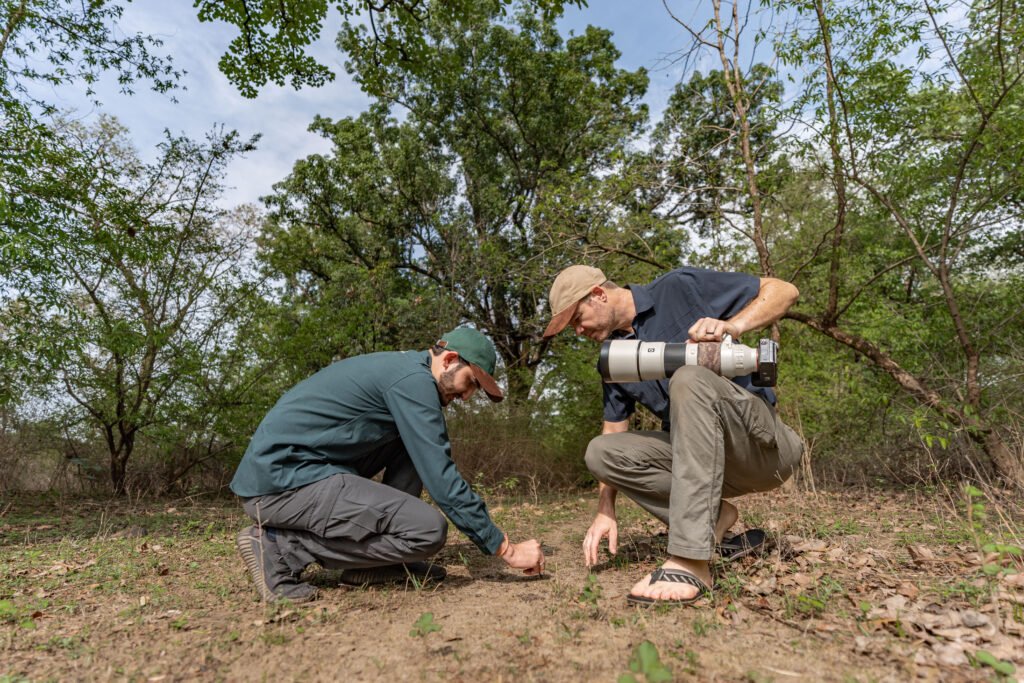
A safari in Kanha feels like stepping into a lush, breathing world where everything moves at nature’s pace. As your jeep enters the forest, the tall sal trees rise like pillars, their shade broken by sunlit clearings where deer graze quietly. The vast meadows Kanha, Kisli, Mukki, and others are the park’s heart, often holding herds of barasingha with their golden coats glowing in the light.The jungle soundtrack builds slowly – drumming woodpeckers, alarm calls of langurs echoing across valleys, and the rustle of grasslands groves moved by the breeze. Fresh pugmarks on dusty tracks often hint at the presence of a tiger or a stealthy leopard. Kanha’s beauty lies in its balance of open spaces and dense forests, creating countless opportunities for wildlife encounters and unforgettable moments. It’s a safari that feels peaceful, immersive, and deeply connected to nature.
Best Time to Visit Kanha
Kanha offers a rich and varied experience throughout the year:
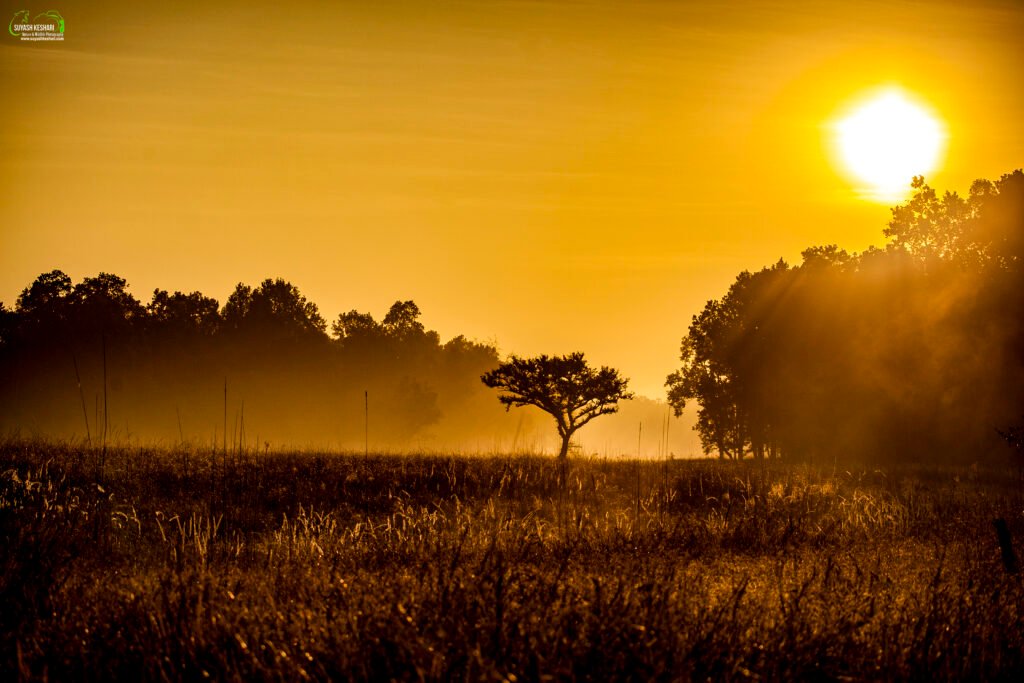
Winter (Oct–Feb): Cool, misty mornings, golden meadows, and superb photographic conditions. Fog rolling over open grasslands creates some of the most magical scenes in any Indian forest.
Summer (Mar–Jun): Hot but excellent for sightings, especially around shrinking water sources. Tiger activity is high, and visibility increases as foliage thins.
Monsoon (Jul–Sept): The park remains closed for breeding and regeneration.
Though wildlife activity peaks in summer, winter is undoubtedly the most beautiful season in Kanha with fog-draped grasslands, golden light filtering through sal trees, and picture-perfect landscapes that elevate every safari.
How to Reach Kanha National Park
Kanha is well connected through multiple routes, making it accessible for anyone planning a tiger safari in central India.
Nearest Airports: Jabalpur (3–4 hours), Raipur (4–4.5 hours), Nagpur (5–6 hours)
By Train: Gondia and Jabalpur are the most convenient railway access points.
By Road: Excellent highways connect Kanha from Jabalpur, Raipur, Nagpur, Mandla, and Balaghat.
Its connectivity and well-managed tourism infrastructure make Kanha an ideal choice for first-time safari-goers and seasoned wildlife travellers alike.
Other Activities Around Kanha
Beyond safaris, Kanha offers a range of peaceful and culturally rich experiences:
You can explore traditional Gond and Baiga villages, where ancient tribal communities share stories, art forms, and their deep connection to the forest. Nature lovers can enjoy forest walks in the buffer zones, guided birding sessions, or scenic sunset viewpoints around the reserve. For wildlife enthusiasts, a visit to the Interpretation Centre at Mukki or Kisli adds depth to understanding Kanha’s ecology, barasingha conservation history, and species diversity.

Love the mobile experience! The app is stable and makes it so easy to play while commuting. okjiliapp is a game changer for me.
Best experience so far! The bonuses are actually fair and the withdrawal process is smooth as butter. Highly recommend for anyone looking for a reliable site. pkbaji888
Really loving the vibe here. The games are exciting and I’ve managed to hit a few decent wins already. It is just a great place to hang out and play. Visit bancanohuonline