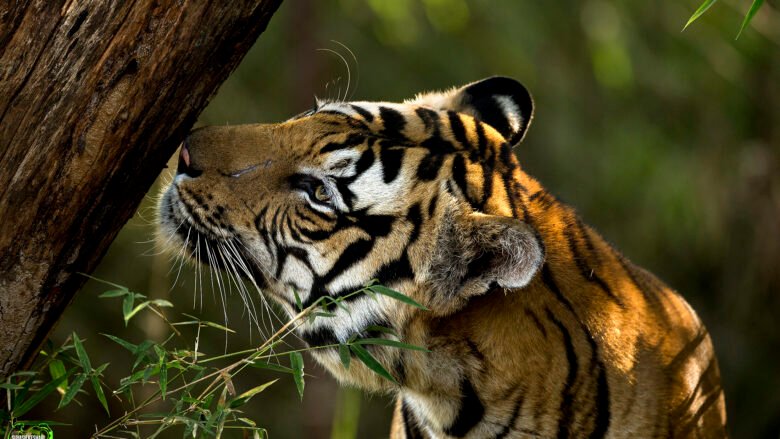
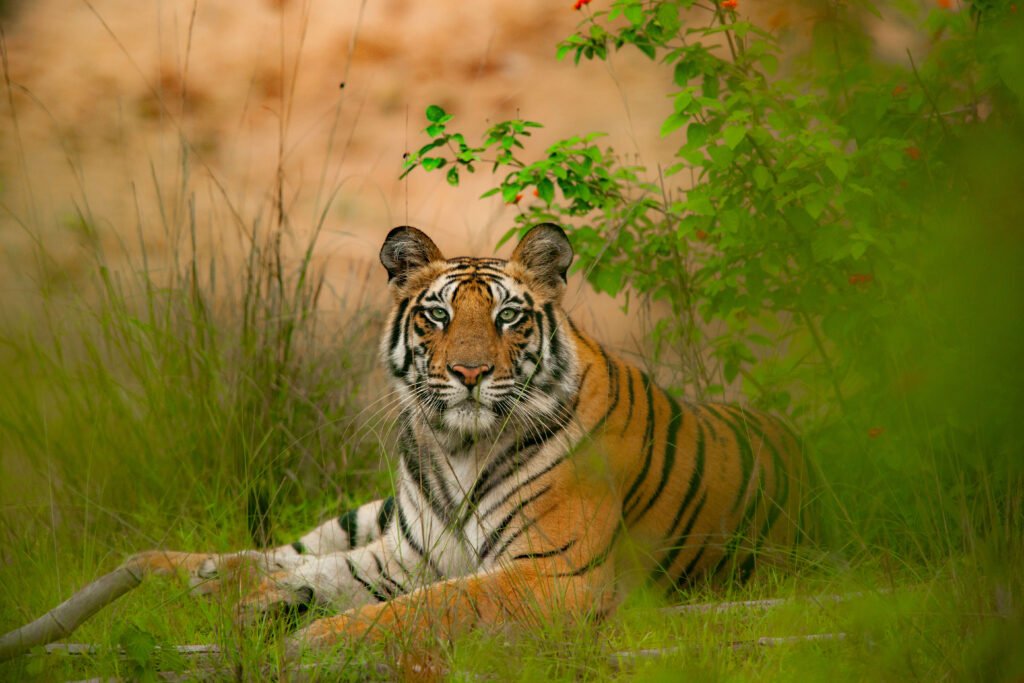
Planning your first tiger safari in India can feel thrilling and a little overwhelming at the same time. With so many national parks, different landscapes, changing seasons, and plenty of safari myths floating around, it’s easy to wonder where to start. India is home to the world’s largest population of wild Bengal tigers (around 3,600+), so it’s no surprise that it’s considered one of the best places in the world to spot tigers.
Whether you’re dreaming of your first tiger sighting, trying to understand how safaris actually work, or figuring out which park suits your travel style, this guide will make things simple. From the best reserves and ideal timings to what to pack, how to spot wildlife, and booking tips, consider this your go-to roadmap for a smooth first tiger safari experience.
Content Overview
- What Is a Tiger Safari?
- Best Destinations to Spot a Tiger
- Best Time to Experience a Tiger Safari
- How to Reach Major National Parks
- Ideal Number of Days for a Tiger Safari
- Where to Stay During Your Safari
- Vehicles Used for Jungle Safaris
- Other Experiences Beyond Game Drives
- Packing Essentials for a Well-Prepared Safari
1. What Is a Tiger Safari?
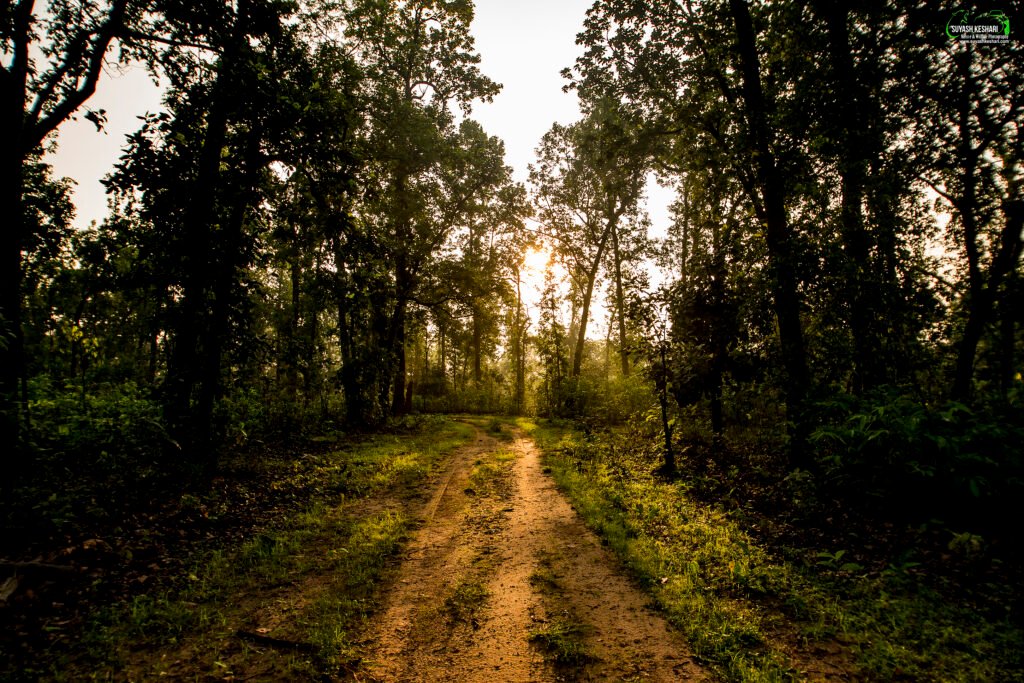
A “tiger safari” is basically a jungle safari inside a National Park or Tiger Reserve, and it happens on fixed, government-approved tracks so no off-roading allowed. You’ll need a government permit to enter, and all safari operators follow strict rules set by the Indian government and forest departments.
National Park vs Tiger Reserve vs Wildlife Sanctuary
Don’t let the names confuse you, they’re mostly administrative, and for travellers, the experience is very similar:
- National Parks: Highest protection; only tourism allowed.
- Tiger Reserves: National Park + Buffer Zone under Project Tiger.
- Wildlife Sanctuaries: Protected areas with slightly more flexible rules.
Places like Bandhavgarh, Kanha, Ranthambore, Pench, and Corbett are both National Parks and Tiger Reserves, so don’t get too hung up on the labels.
Parks Are Divided Into Safari Zones
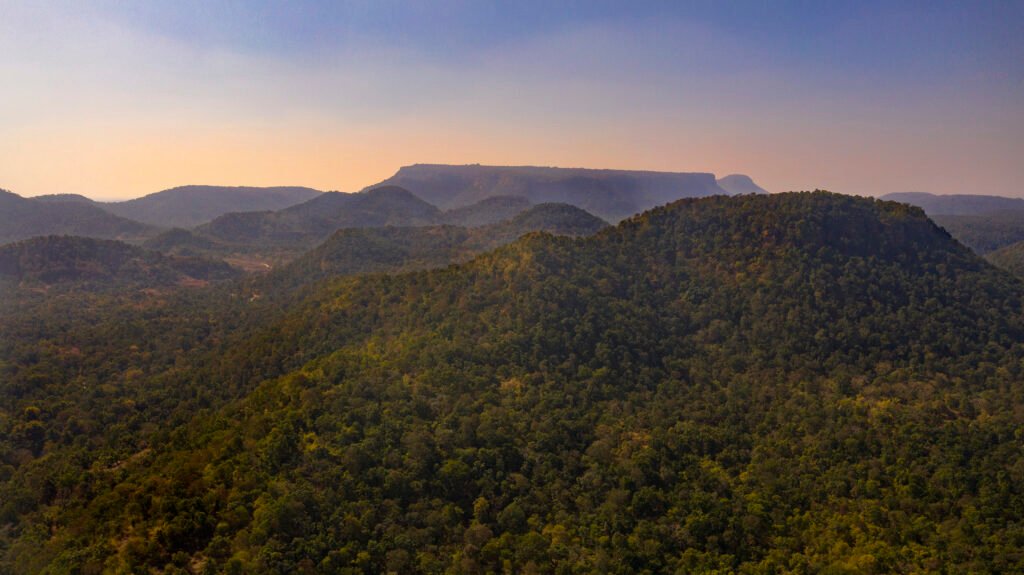
Every national park is divided into multiple safari zones, broadly classified as core zones and buffer zones. Core zones are the prime protected habitats where most wildlife activity takes place, while buffer zones form the outer ring that supports animal movement and offers equally exciting sightings without disturbing the core. No zone—whether core or buffer—can guarantee a tiger sighting, but each comes with its own landscape, resident wildlife, and tracking opportunities, making every drive feel different and equally rewarding.
Wildlife You Might Spot Besides Tigers
Even if tigers are the main attraction, Indian parks are full of other wildlife:-
- Corbett: Elephants, leopards, gharials, otters, hog deer, 550+ bird species.
- Bandhavgarh: Leopards, sloth bears, nilgai, raptors.
- Kanha: Barasingha, wild dogs, gaur, hyenas, birds of the sal forest.
- Pench: Dholes, leopards, wolves (outer areas), teak forest fauna.
- Satpura: Giant squirrels, sloth bears, crocodiles, leopards.
- Ranthambore: Hyenas, caracal, chinkara deer, ruddy mongoose.
Across all parks, expect deer, langurs, macaques, reptiles, owls, eagles, and hundreds of smaller creatures.
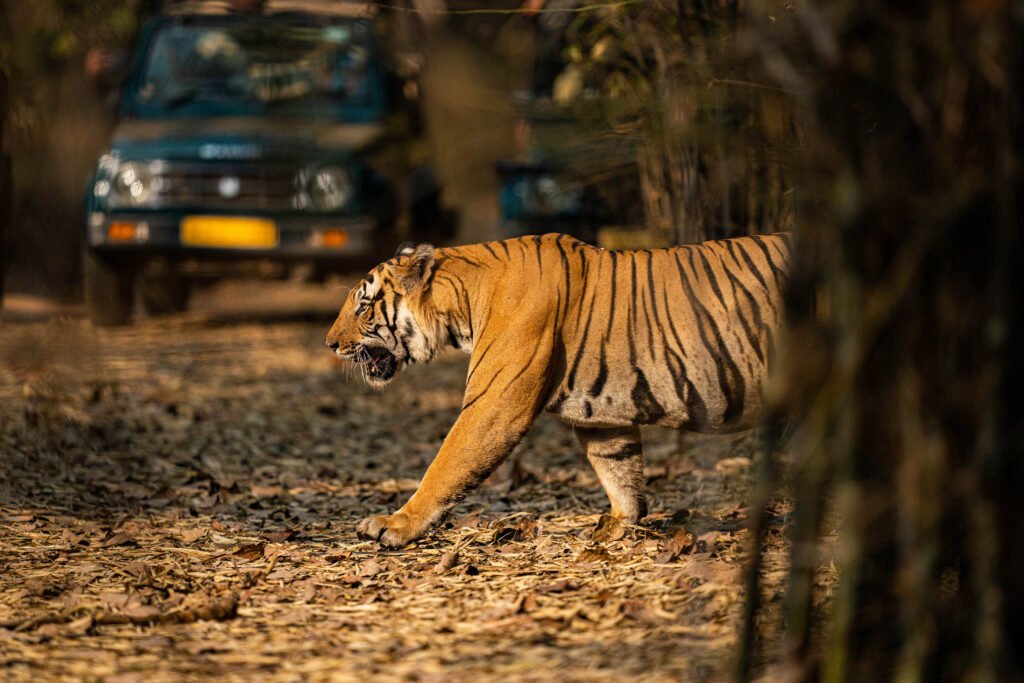
Types of Safaris
- Regular Game Drives: these are the most common type of game drive they carry out in shifts- morning and evening- with fixed time to be inside the park these are also good game drives with strong chances of sightings.
- Full-Day Safaris: These are special types of safaris where you are in the park from dawn-to-dusk. It’s a bit of an intense experience, recommended for photographers, filmmakers, or anyone wanting deep, uninterrupted jungle time.
2. Best Destinations to Spot a Tiger
1. Bandhavgarh Tiger Reserve, Madhya Pradesh
Is known for one of the highest tiger densities in India, Bandhavgarh offers excellent visibility across rolling hills, meadows, and forest corridors. Perfect for photographers and first-time tiger watchers.
2. Kanha Tiger Reserve, Madhya Pradesh
Kanha’s vast meadows, sal forests, and morning mist create some of the most scenic tiger-viewing spots in India. It’s also home to barasingha and other wildlife, making it ideal for a calm, immersive safari.
3. Ranthambore Tiger Reserve, Rajasthan
Ranthambore is dramatic—tigers roam around lakes, fort ruins, and open scrublands. It’s great for photographers and travellers looking for high-impact, close-up sightings.
4. Jim Corbett National Park, Uttarakhand
With a mix of riverine belts, dense forests, and open grasslands, Corbett supports a thriving tiger population and diverse wildlife. Ideal for travellers wanting multi-habitat, immersive safari experiences.
5. Pench Tiger Reserve (Madhya Pradesh / Maharashtra)
Pench has teak forests and open clearings, offering natural visibility and steady tiger movement. Its connection to Kipling’s Jungle Book adds charm, making it perfect for quieter, story-rich safari journeys.
3. Best Time to Experience a Tiger Safari in India
Spotting a tiger requires patience, timing, and a little bit of luck. Here’s how seasons can affect your experience
- Summer: Clear visibility as animals gather at waterholes.
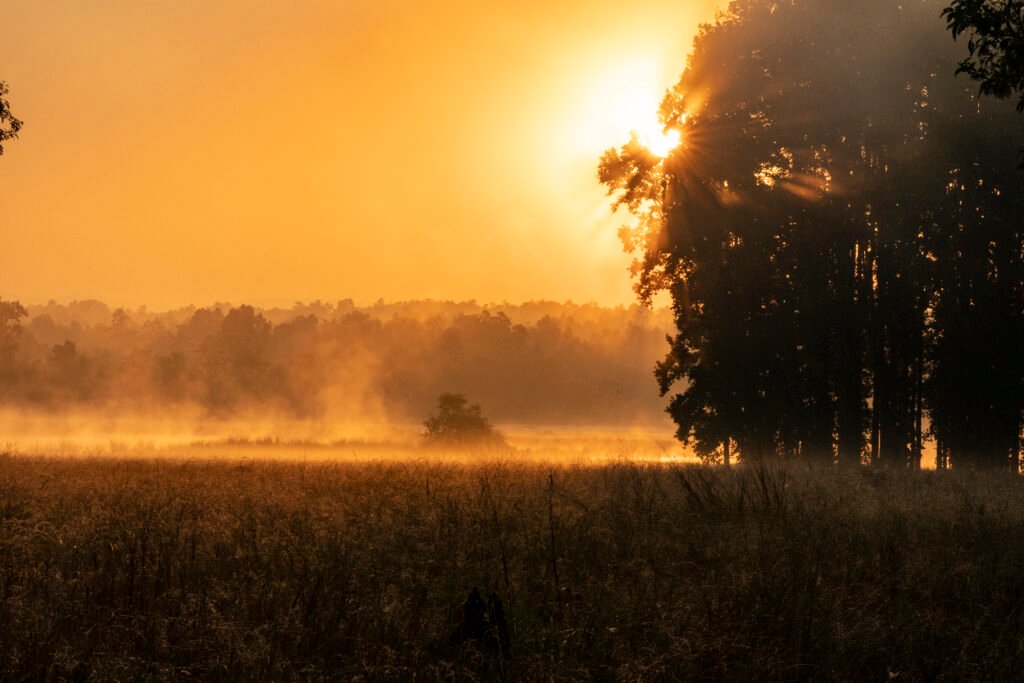
- Winter: Forests become lush, misty, and incredibly photogenic.
- Monsoon (1st July–30th September): Parks close, but buffer zones remain open, showing the jungle at its greenest, even if tiger activity slows.
Highlights by Park:
- Bandhavgarh: Strong sightings year-round; summer for open waterbodies and breezy grasslands, winter for misty valleys and sal tree canopies.
- Kanha: Winter is magical with golden meadows and rising mist. Summers are also excellent.
- Ranthambore: Summer is peak for predictable sightings although winter is slightly denser.
- Jim Corbett: Reliable all year but winter is visually stunning as the tall Sal trees hold the clouds and mist in patches which makes it look surreal.
- Pench: Balanced year-round , summer time-opens teak forests and winter gives soft light and comfy drives.
Tip: Indian tiger safaris are very popular, so it’s best to book at least 6–12 months in advance.
4. How to Reach Major National Parks
Most international travellers start from Delhi, which is well-connected globally. From there:
- Bandhavgarh: Fly Delhi → Jabalpur, then 4-hour drive.
- Kanha: Fly Delhi → Raipur, then 4-hour drive.
- Pench: Fly Delhi → Nagpur, then 2-hour drive.
- Ranthambore: 5–6 hour drive from Delhi; no flights needed.nearest major airport is Jaipur.
- Jim Corbett: 4–5 hour drive from Delhi; nearest major airport is Delhi.
This keeps transfers simple and stress-free for first-time visitors. And if you’re travelling with Ameliya safaris, everything from airport pick-ups to lodge drop-offs and internal transfers like one tiger reserve to another is handled for you so you can skip the logistics entirely and just focus on the adventure ahead.
5. Ideal Number of Days for a Tiger Safari
To really feel the forest and soak in the wildlife, a 4-night, 5-day stay in a single park (this offers opportunity for 6 safaris) works best. You’ll get to explore different zones and times of day, and really catch the rhythm of the jungle.
For a longer adventure, you can combine parks like Bandhavgarh, Kanha, and Pench over 14–15 days, planning safaris at your own pace while experiencing different landscapes and habitats.
6. Where to Stay During Your Safari
Most tiger reserves are in remote locations, so accommodations and their resources are limited. For those who enjoy comfort and luxury, high-end safari lodges or boutique jungle resorts are the way to go. Ameliya’s Partner accommodations offer world-class amenities, expert-guided safaris, and a high quality of service, while also providing a serene retreat after a day in the jungle.
Whether it’s waking to birdsong, enjoying private safaris, or dining with a forest view, Ameliya safaris can make your safari experience unforgettable.
7. Vehicles Used for Jungle Safaris
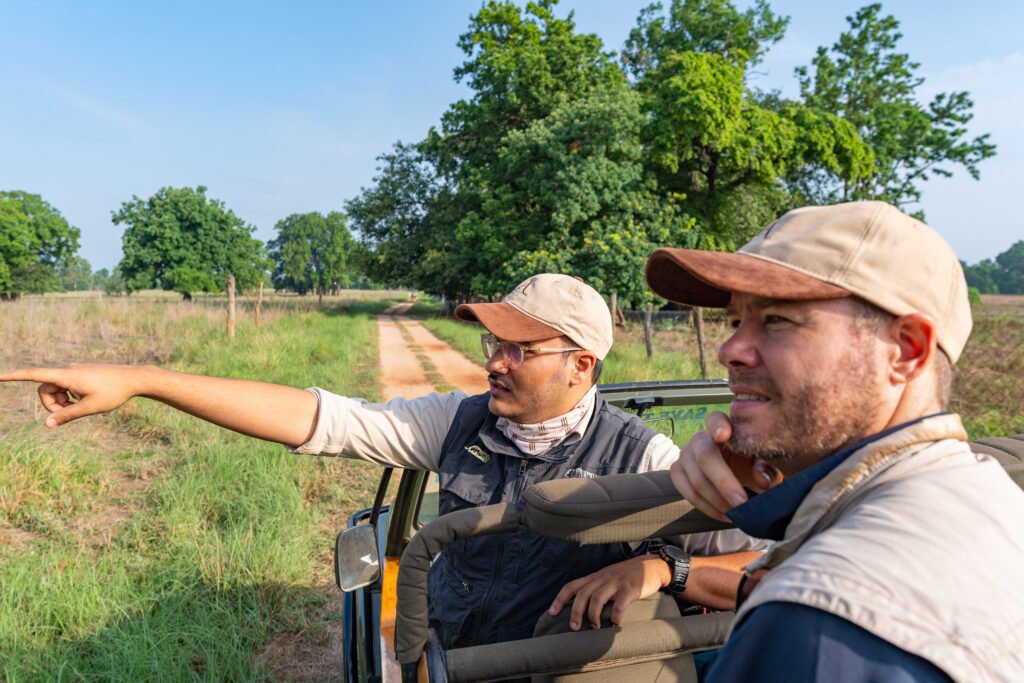
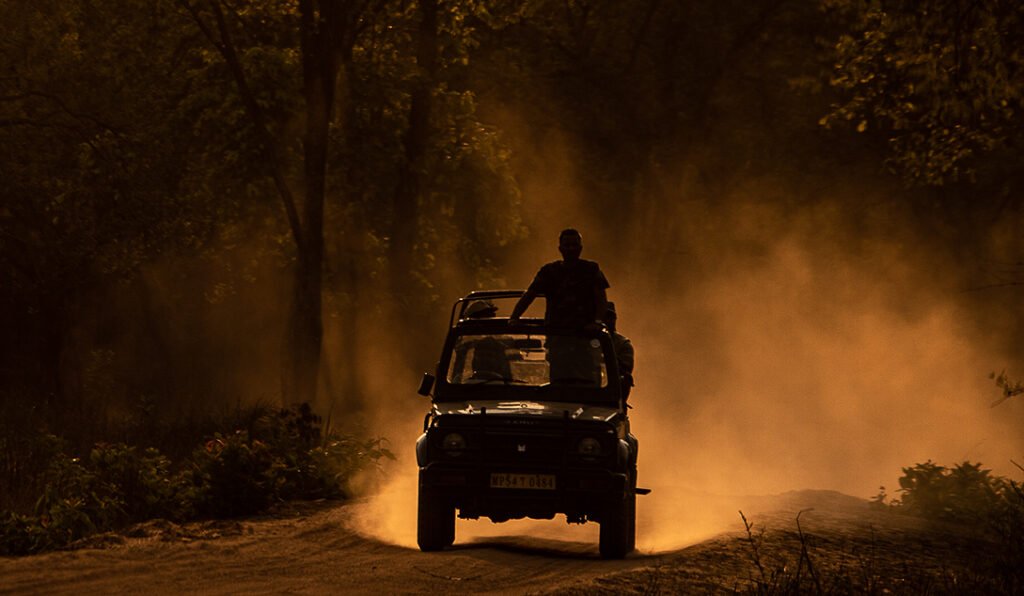
Game drives use open-top 4×4 vehicles, called Gypsies or Jeeps, ideal for eye-level photography and spotting wildlife. For our photography-centric guests, we remove the middle seat for extra camera space.
Each vehicle has a driver and a guide. The guides are government-appointed, ensuring safety and compliance, but Ameliya Safaris work closely with them, making them part of the field team providing expert tips, tracking advice, and a smooth safari experience.
8. Other Experiences Beyond Game Drives
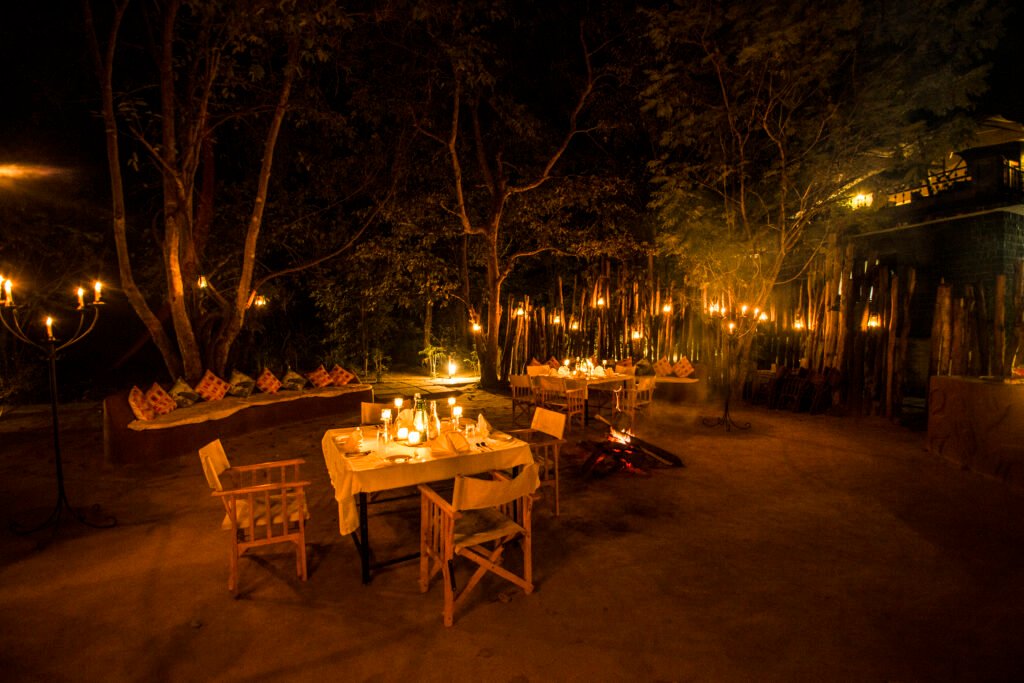
Tiger safaris aren’t just about spotting tigers. You can also enjoy cultural walks, village visits, nature trails, birdwatching, and guided cycling. We can also offer bush breakfasts and dinners, letting you dine under the open sky amidst the sights and sounds of the jungle. These experiences add depth and richness to your safari journey.

9. Packing Essentials for a Well-Prepared Safari
- Clothing: Neutral, lightweight clothes for day; warm layers for early mornings and evenings.
- Footwear: Comfortable, closed shoes or boots.
- Accessories: Hat, sunglasses, sunscreen, insect repellent, binoculars, camera gear.
- Extras: Reusable water bottle, small backpack, basic first-aid kit.
Packing smart ensures you’re comfortable, ready, and able to enjoy every moment of your safari.