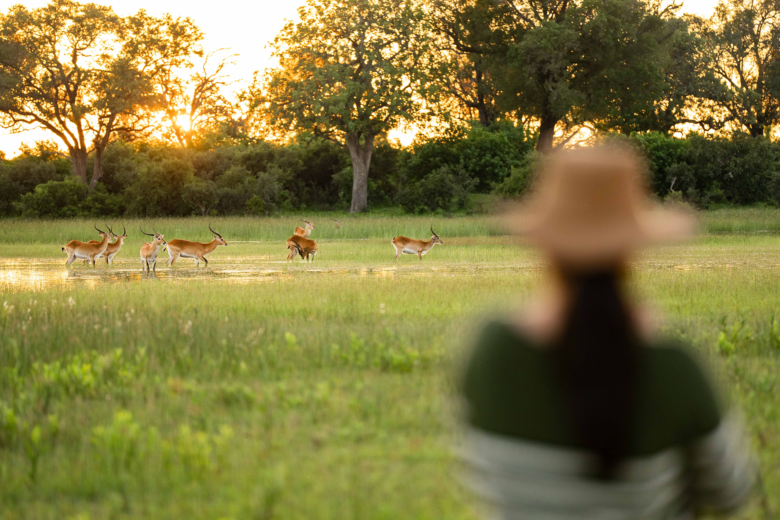
There is a particular quality to the air in Kenya before the sun rises. It carries the scent of damp earth, distant woodsmoke, and something untameable a wildness that presses in close and refuses to let go. No photograph has ever done it justice. No travel brochure has quite captured it. It is the kind of thing you simply have to be there for, wrapped in a fleece, gripping a cup of hot coffee, waiting for the savanna to exhale.
A day on safari in Kenya does not so much begin as it unfolds slowly, then all at once. This is what one of those days looks like when you travel with Ameliya Safaris, somewhere between the wide skies of the Masai Mara and the ancient landscape of Ol Pejeta Conservancy.
5:30 AM – The Wake-Up Call
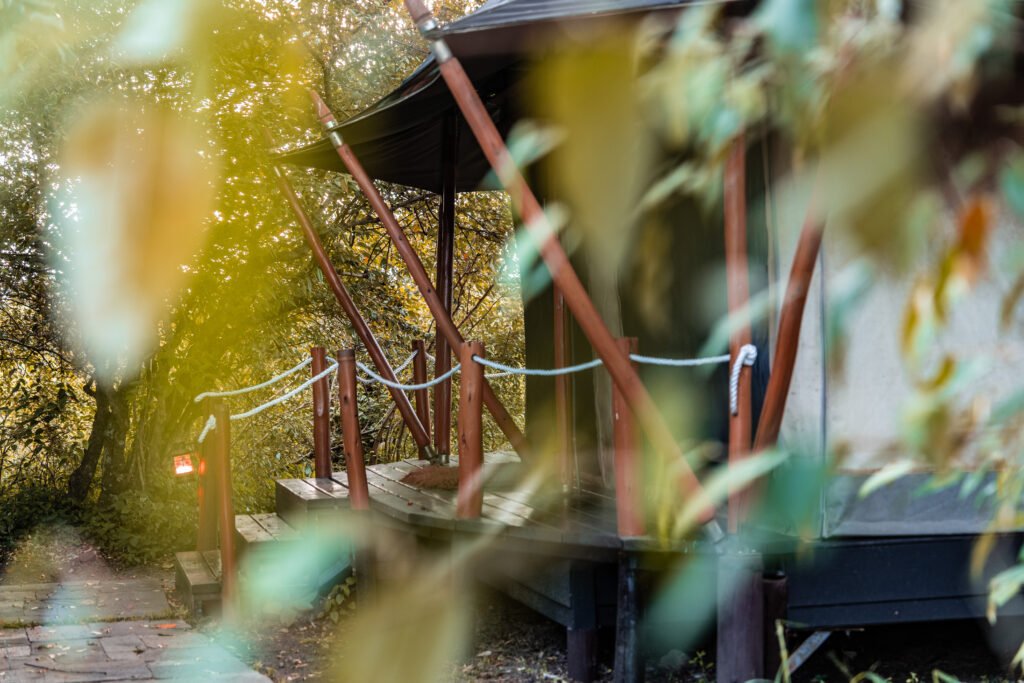
It begins with a gentle knock, not an alarm. Your camp attendant arrives at your tent with a quiet word and a steaming cup coffee or tea, your choice from the night before. Outside, the darkness is still thick, punctuated only by the occasional bark of a zebra or the low, rasping grunt of a hippo moving along the riverbank.
This hour the one where camp is lit by lanterns and the world beyond the canvas is still holding its breath is one of the quieter privileges of safari life. No Wi-Fi notifications. No traffic. Just the soft sound of birds beginning their morning conversations and the creak of your veranda chair as you sit and wait for the sky to change.
6:15 AM – Into the Bush
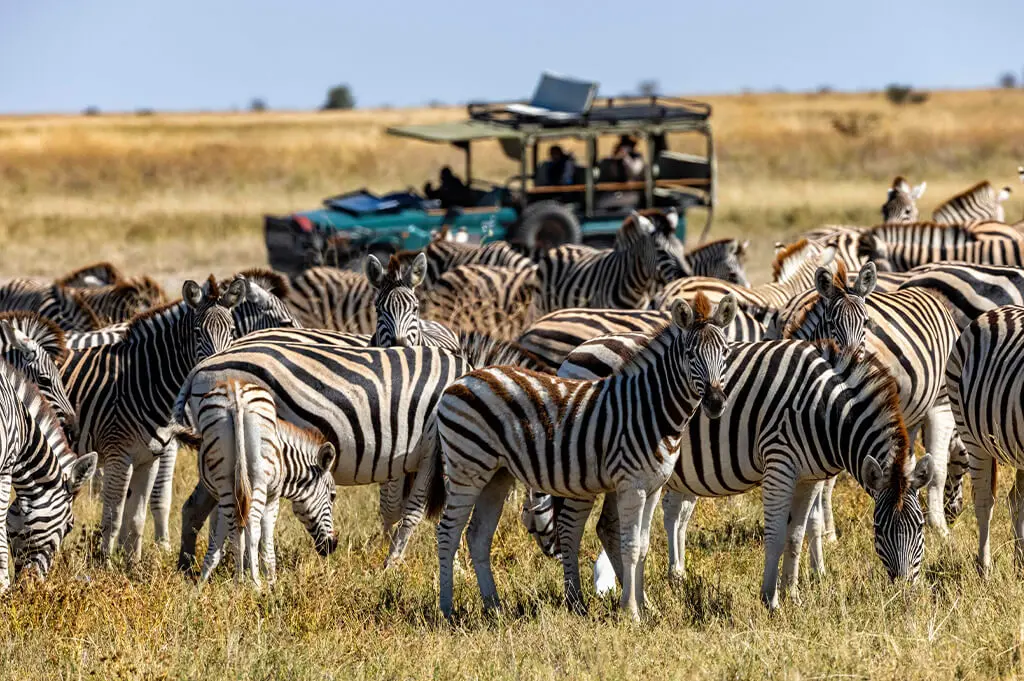
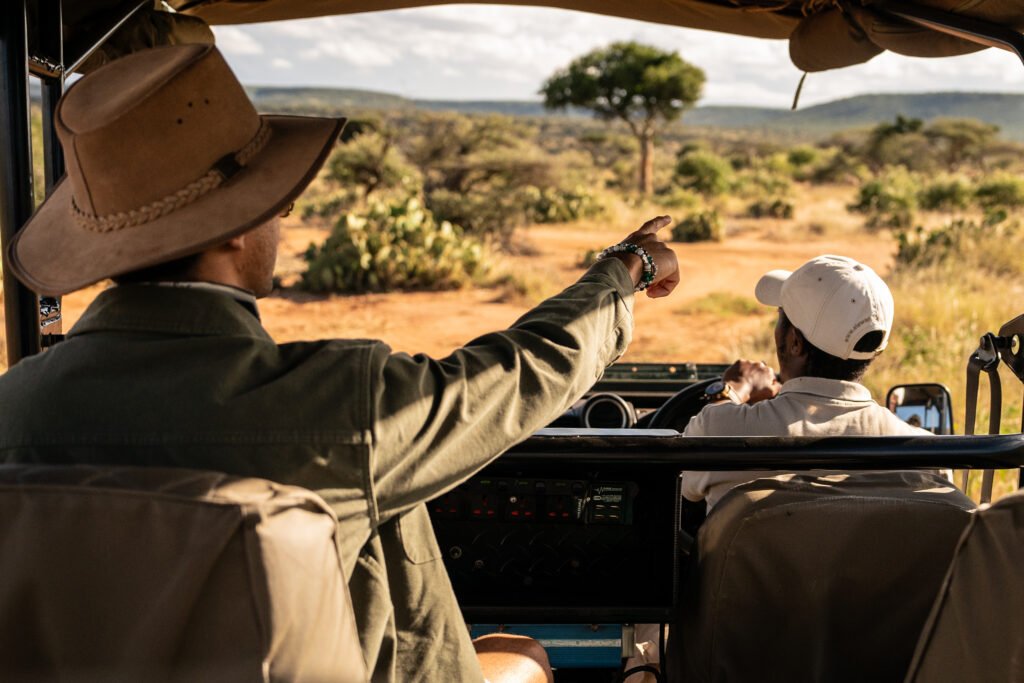
By the time you reach the vehicle, the horizon has begun its shift a bruise of indigo giving way to amber, then the slow spill of rose gold across the plains. Your guide is already there, binoculars around his neck, scanning the treeline with the practiced ease of someone who has spent more mornings in the bush than in a bed.
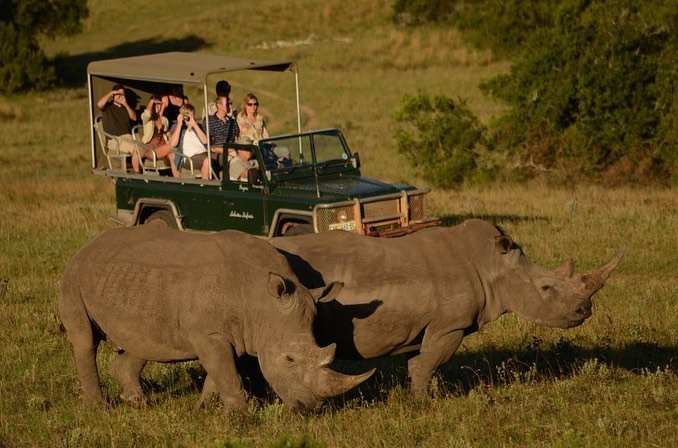
The morning game drive is the finest part of any safari day. Animals are active, the light is flattering, and the savanna is at its most alive. In the Masai Mara, this might mean following a cheetah mother as she teaches her cubs to hunt; in Ol Pejeta, it could mean a close encounter with one of the world’s last northern white rhinos, protected around the clock by rangers who treat their duty as sacred. In Naboisho Conservancy one of Africa’s most wildlife-dense private reserves lion sightings before breakfast are not remotely unusual.
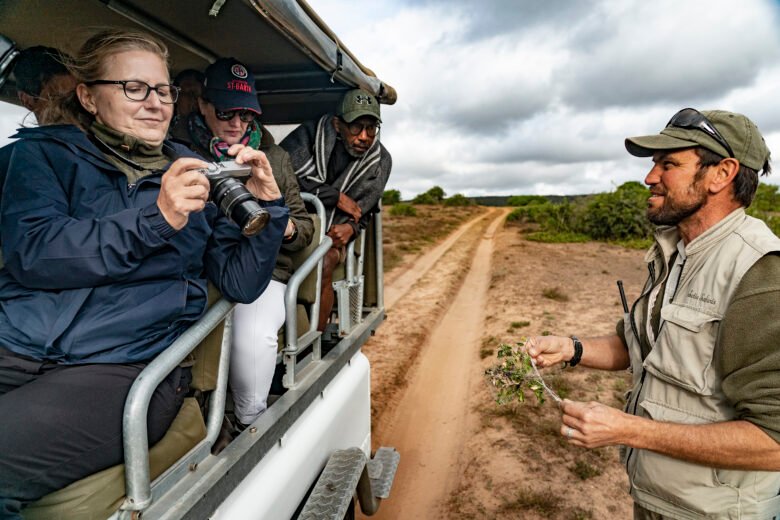
Your guide does more than point out animals. He reads tracks in the dust, explains why the oxpecker birds have landed on that particular buffalo, and tells you which direction the wind is blowing so you understand why the lions haven’t yet noticed the wildebeest nearby. It is an education delivered at speed, over bumpy terrain, with the best classroom view in the world.
9:00 AM – Breakfast in the Wild
On a good morning which, in Kenya, is most mornings breakfast does not happen back at camp. It happens out there, in the field, on a folding table set with proper crockery and a spread that would embarrass most city hotels. Freshly squeezed juice, warm bread, eggs cooked to order, fruit, and strong coffee poured from a thermos while a family of giraffes drifts through the acacia trees fifty metres away.
The bush breakfast is one of those safari experiences that looks effortless and is anything but. Someone drove ahead, found the right spot, laid out the table, and timed the arrival of hot food to coincide with your hunger. It is theatre of the most satisfying kind, and it plays out against a backdrop that no amount of money could replicate indoors.
Midday – Rest, Read, and Recover
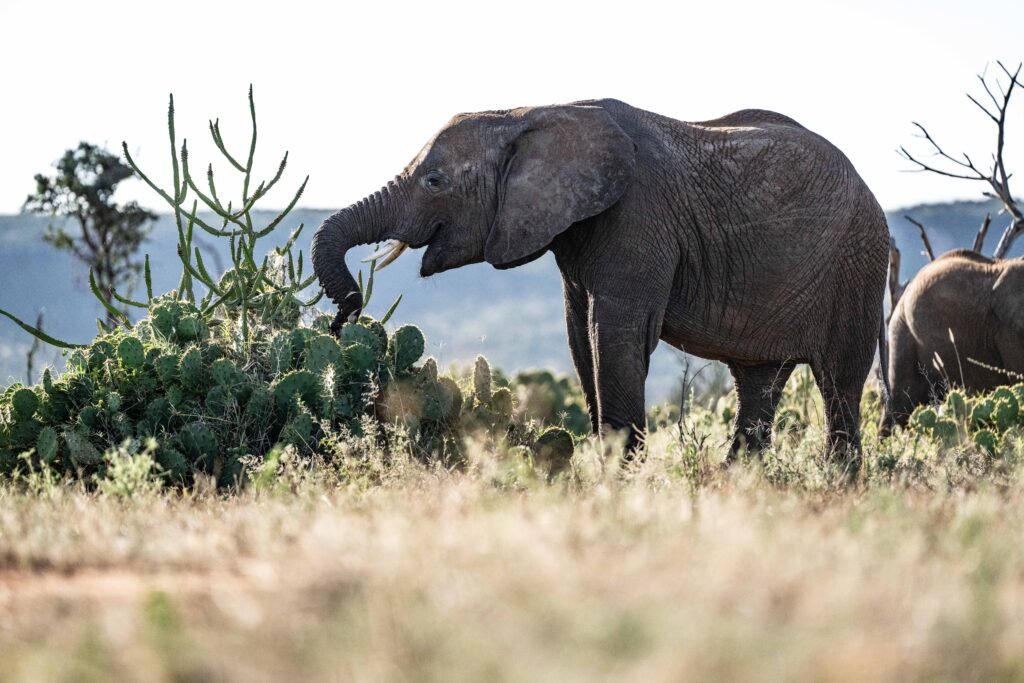
Safari mornings are long in the best possible way, and by midday, the heat has arrived. The big cats have retreated to shade. The elephants are slow and languid near waterholes. Most sensible creatures human and otherwise pause.
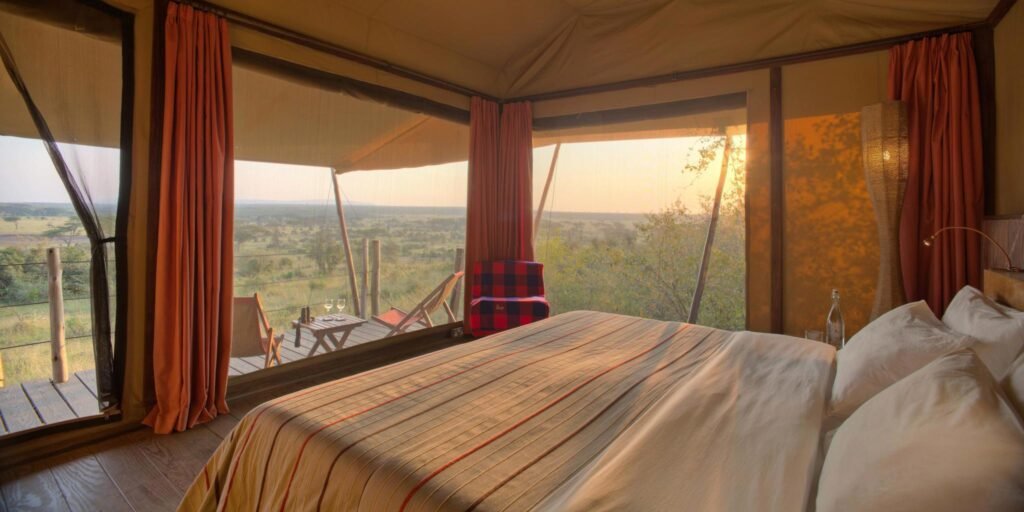
Back at camp, this middle stretch of the day is yours entirely. Lunch is served under canvas, followed by a few hours of whatever appeals sleeping in the deep, particular quiet of a tented camp, browsing the camp’s wildlife library, cooling off by the pool with a novel, or simply sitting on your private veranda watching the savanna shimmer. This is not dead time. This is part of the rhythm, and experienced safari travellers come to treasure it as much as the drives themselves.
4:00 PM – The Afternoon Drive
As the light shifts from white to gold, the bush stirs again. The afternoon game drive has a different energy to the morning more languid, more reflective, with the promise of a sundowner waiting somewhere in the middle of it.
In private conservancies like Naboisho and Mara North, the afternoon is also when night safaris come into their own. As the sun drops and the diurnal world hands over to the nocturnal one, your guide switches on a spotlight and the landscape reveals entirely different residents leopards padding silently through the undergrowth, civets picking their way along drainage lines, and the luminous eyes of creatures you may never have known were there.
6:30 PM – The Sundowner
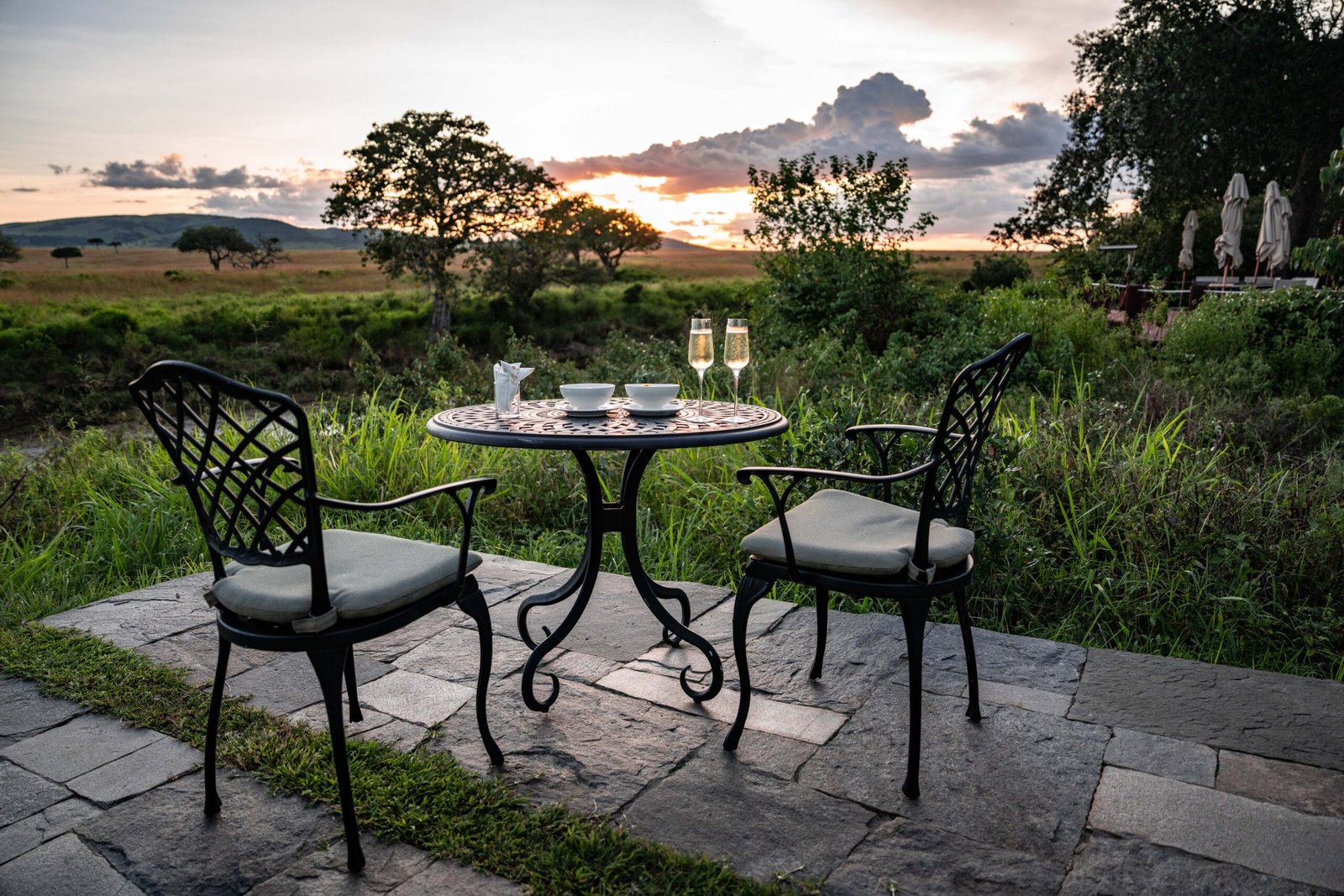
At some point in the late afternoon, the vehicle will stop. Your guide will step out, open the back, and produce cold drinks, salted snacks, and a folding chair or two all while the sky ahead decides what colour it wants to be tonight. Kenya sunsets do not perform. They simply arrive, impossibly large and burning, and you sit in front of them feeling very small and very fortunate.
The sundowner is a ritual in the finest sense. It has no agenda and no itinerary. It exists only to make you stop, look up, and remember where you are.
8:00 PM – Dinner Under the Stars
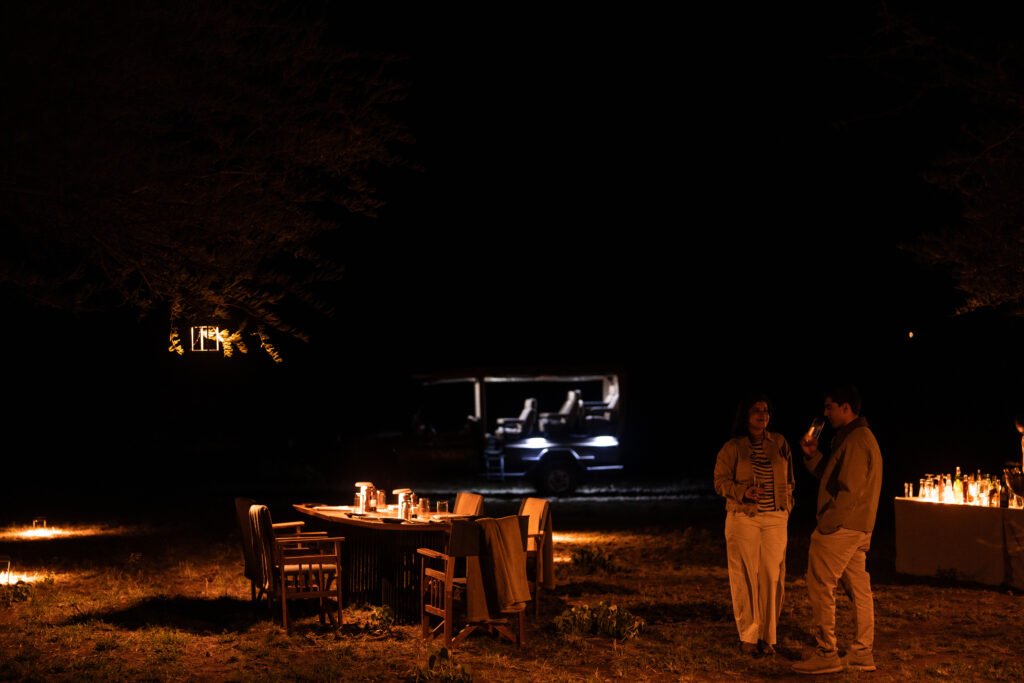
Back at camp, the fire is already lit. The crackle of wood, the scent of smoke, the warm glow of lanterns strung between trees it is the kind of scene that makes everything feel deliberate and lovely. Dinner is three courses, unhurried, shared over a long table with fellow travellers who have spent the day seeing the same extraordinary things and are still piecing together what to make of it all.
The night sky in Kenya far from city lights, at altitude, in the dry season is the kind that makes people go quiet. The Milky Way is not subtle here. It sprawls across the darkness with genuine audacity, and you find yourself tilting your head back and wondering, not for the first time today, how this place is real.
What Makes Kenya Different
Kenya is the country that invented the photographic safari. It is where the genre was born, where the great migration passes through each year in its ancient, unstoppable rhythm, and where the Maasai people have lived alongside lions for longer than anyone can meaningfully remember. It holds the Cradle of Humankind the site of our oldest known ancestors and in Ol Pejeta, it holds the last two northern white rhinos on the planet.
What Ameliya Safaris brings to this landscape is not a standard tour. It is a privately guided, deeply considered experience one where the itinerary is built around who you are and what moves you, where the camps are chosen for character as much as comfort, and where the guiding is the kind that changes how you understand the natural world long after you have returned home.