

African Safari Animals: What You Can See on an Animal Safari in Africa
What Animals Can You See on an African Safari?
Going on an African safari reveals an extraordinary variety of animals, from powerful predators to herds of grazing animals in the open savannah. The kind of animals you see completely depends on the region you wish to explore, the time you are willing to put in and the months you visit in. From lions, leopards, cape buffaloes and elephants, to huge herds of zebras and wildebeest crossing the Mara river during the Great Migration, an African safari is an experience you don’t want to miss. On a closer look, you realise that the smaller details are just as interesting: elusive cats, reptiles and colourful birds flying high in the sky.
The Big 5
Africa’s Big 5 consists of Lions, Leopards, Elephants, Cape Buffaloes and rhinoceros. The name initially began as a hunting term to refer to the animals who were the most dangerous and difficult to hunt on foot. Today, the meaning of the term has transformed completely and refers to seeing these mammals in the wild landscape of Africa.
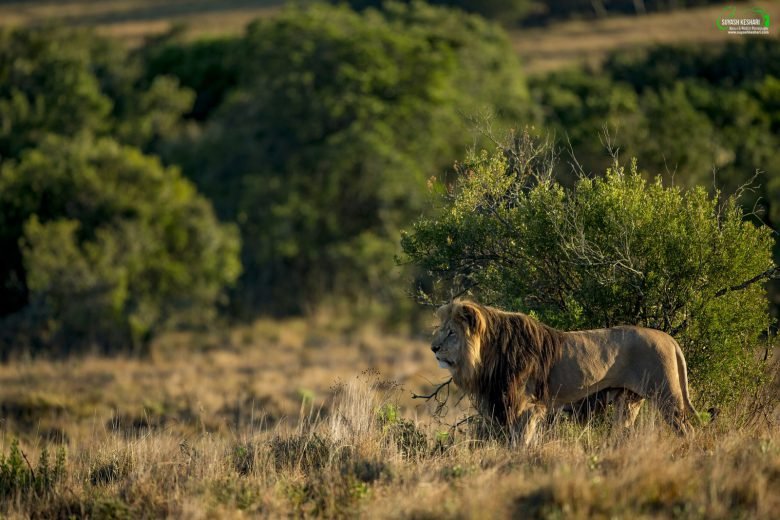
African Lion
The African Lion is one of the most social cats, living in huge prides mostly consisting of close female relatives, young cubs and a few males. They usually inhibit vast, open savannahs and lands where they hunt zebras and antelopes together.

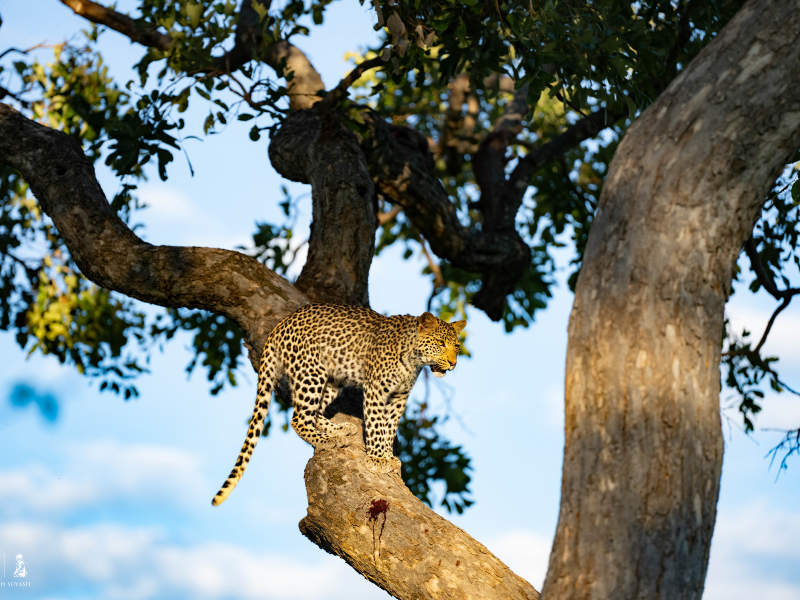
Leopard
Leopards are known to be spectacular hunters due to their speed, agility and the strength to climb trees while dragging their prey. They are one of the most rewarding animals to spot during an African safari due to their elusive nature.
African Elephant
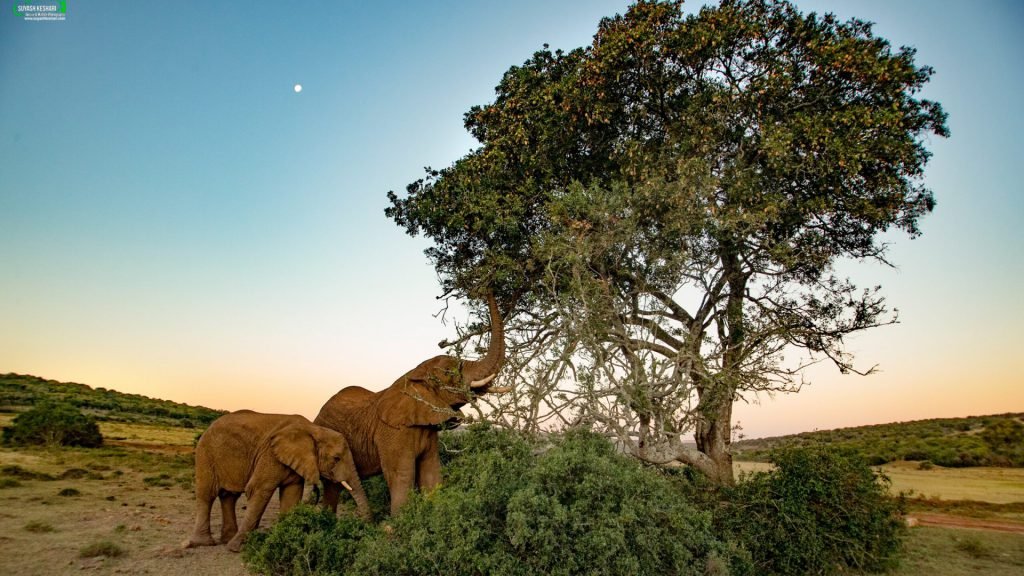
An African elephant, the world’s largest land mammal, can be recognised by their huge ears, thick trunk and large, majestic tusks. They live in herds that are led by an experienced matriarch and travel across various habitats in search of food and water.
Rhinoceros
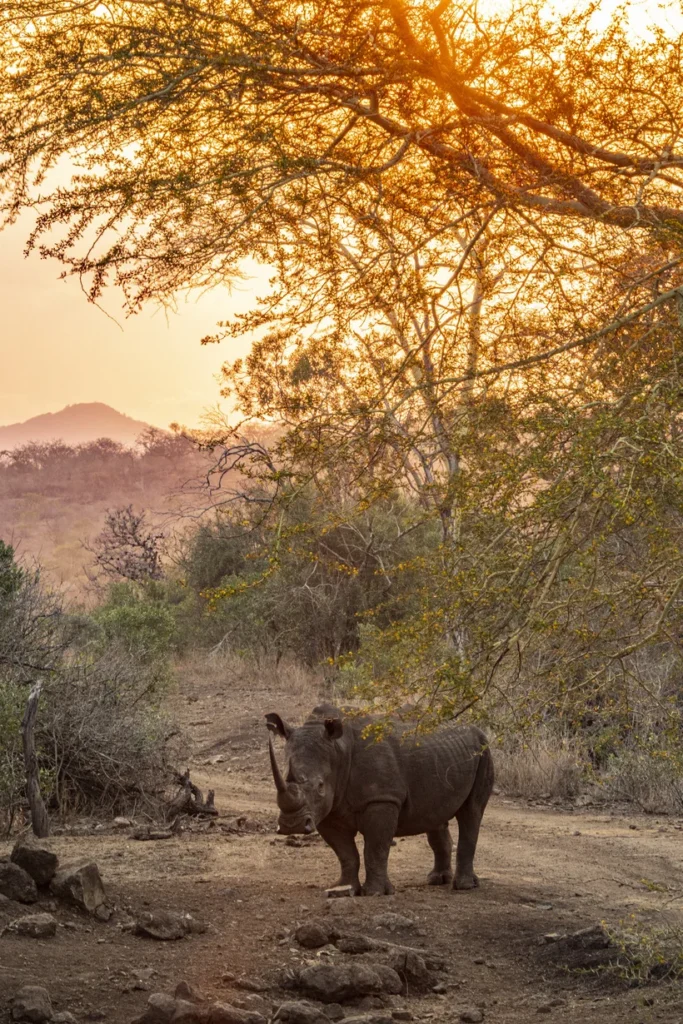
Africa is home to two rhino species: the black rhinoceros and the white rhinoceros. Both are powerful herbivores, recognised by their thick skin and prominent horns. Despite their names, neither species is truly black or white. Their names are commonly linked to differences in their mouth shapes and grazing habits.
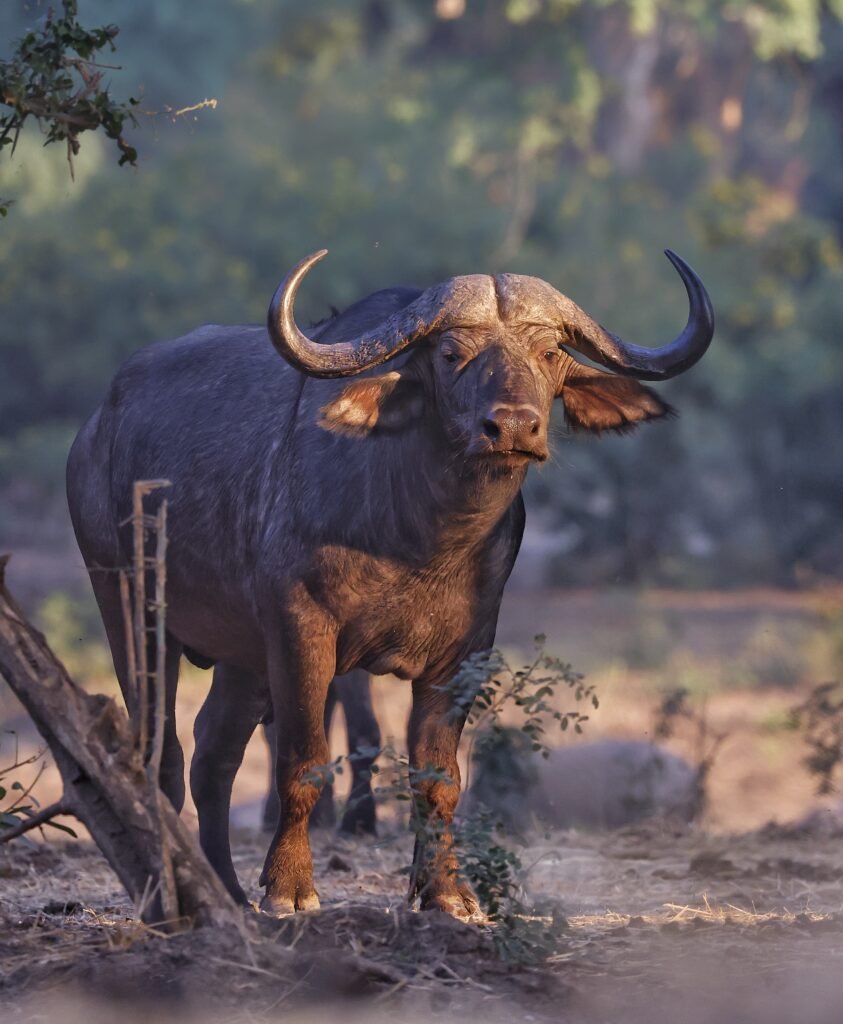
Cape Buffalo
Cape Buffaloes are often encountered in the African savannah and grasslands in large groups. Their heavy builds, dark coats and distinctive curved horns makes them easy to recognize while on a game drive. They are also very social and can be seen moving in herds of hundreds.
Safari Cats of Africa
Africa is known to have a wide range of safari cats, from powerful predators to elusive and solitary felines. African Lions are often seen resting in the wide, open grasslands in herds, whereas on the other hand, leopards are elusive and can be spotted draped across a tree branch after a hearty meal. Each cat has a distinctive behaviour and habitat preferences, which makes the game drive unexpected and exciting.
Cheetah
Cheetah is the world’s fastest land animal, built for speed and a focused hunting style. Their bodies are slender and they have long legs which helps with the acceleration during hunting. Unlike lions and leopards, cheetahs usually hunt during daytime, using open plains to hunt gazelles and other small antelopes.

Serval & Caracal
Even though servals and caracals are often overlooked next to Africa’s bigger predators, these cats are remarkable wild cats. The serval has long legs and large ears, helping it locate rodents and birds in tall grass. The caracal is recognized by its tufted ears and powerful build, and can leap impressively to catch birds. Both are elusive and rewarding sightings.
Other Iconic African Safari Animals
Beyond the famous predators, Africa is also home to other species of animals. Giraffes towering above the treetops, Zebras and Wildebeest crossing the vast plains in herds of thousands and Hippos having a relaxing dip in pools and rivers. Spotted hyenas and African wild dogs add a sense of excitement to each game drive, each playing an important role in their ecosystems.
Giraffe
The Giraffe is native to Africa and is the world’s tallest land animal, instantly recognizable by its long neck and patterned coat. Being herbivores, it feeds mostly on leaves, reaching high branches of trees which are usually unavailable to other herbivores. Giraffes also help the ecosystem as their feeding behaviour can help plant growth and shape vegetation structure over time.

Zebra
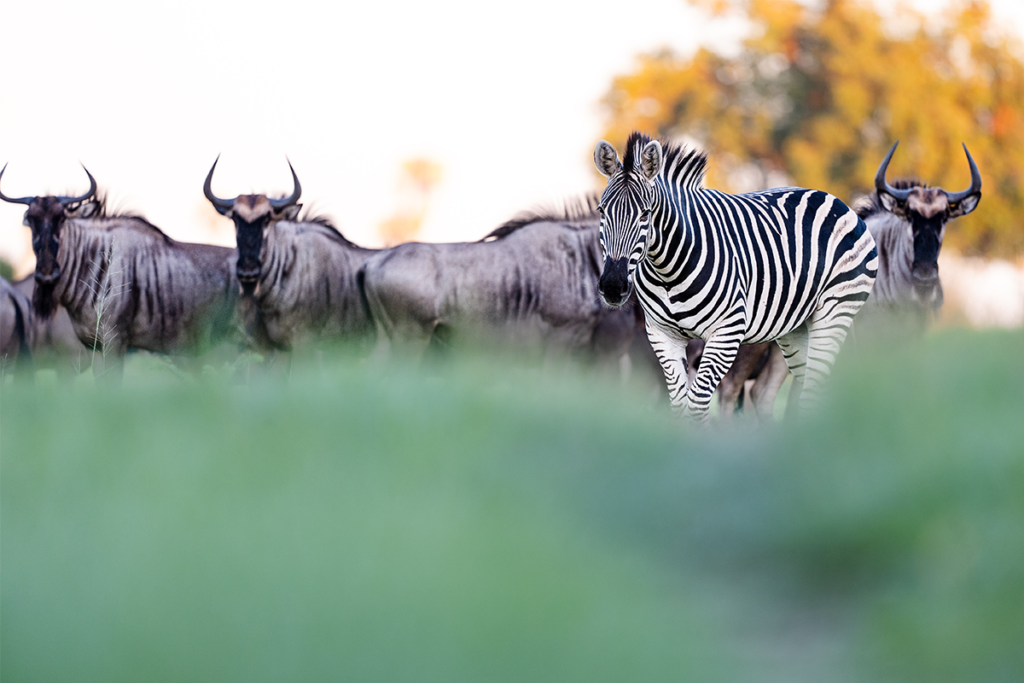
Widely abundant in the open grasslands of Africa, Zebras are a sight to see during any African safari. Most known for their striking black-and-white stripes, every individual displays a unique pattern. They graze on grass and often move in herds alongside other herbivores.
Hippopotamus
The Hippopotamus spends much of their time submerged in rivers and lakes, often coming out during nighttime to graze on grass. They are highly territorial and can move quickly on land despite their bulky appearance. Hippos are often only seen in groups while spending their days relaxing in water.

Wildebeest
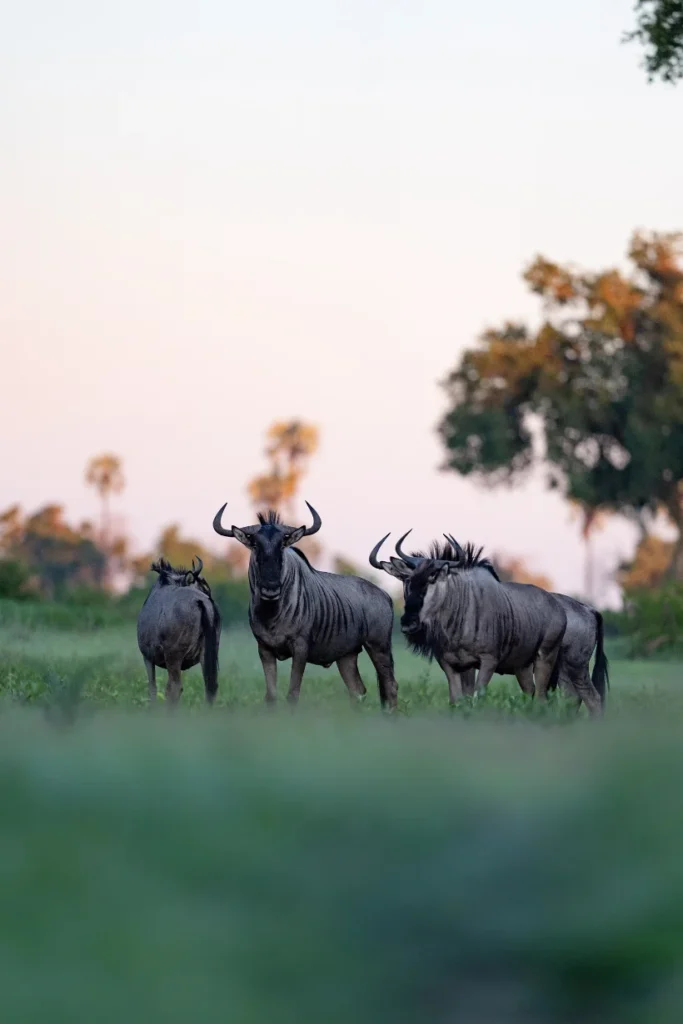
Wildebeest are most famous for their yearly migration across the Serengeti-Mara ecosystem. They travel in enormous herds accompanied by Zebras and gazelles. Their migration is one of Africa’s most remarkable sights to see involving the crossing of the Mara river.
African Wild Dog
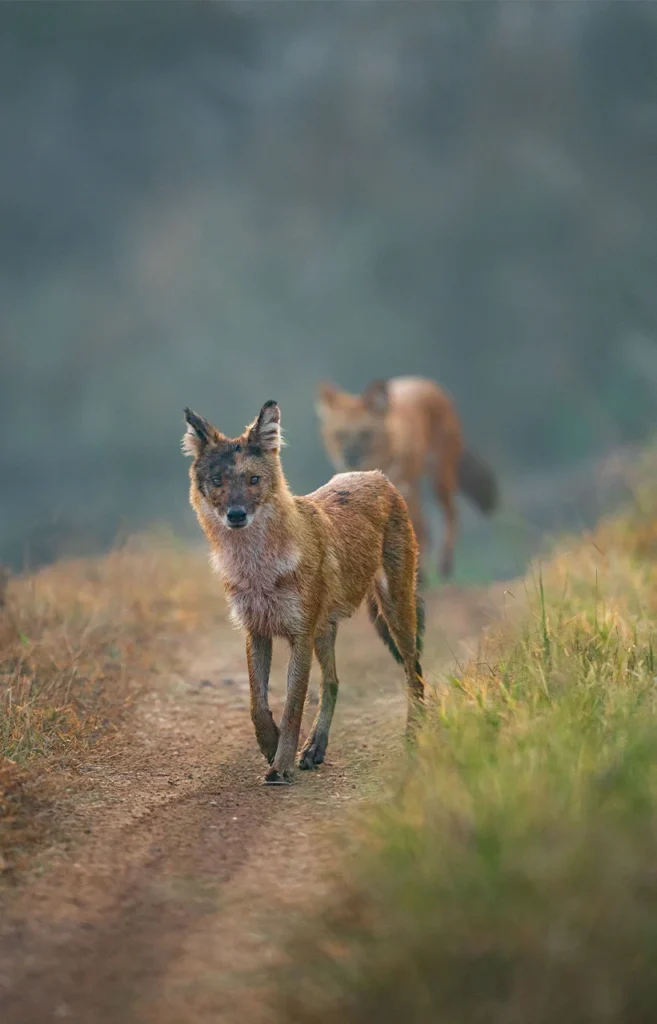
The African wild dog is a highly social and endangered carnivore found in the African savannah. For hunting, they move in packs, communicating through calls and body language. Sighting African wild dogs is very special as the population is fragmented and spread across large territories.
Spotted Hyena
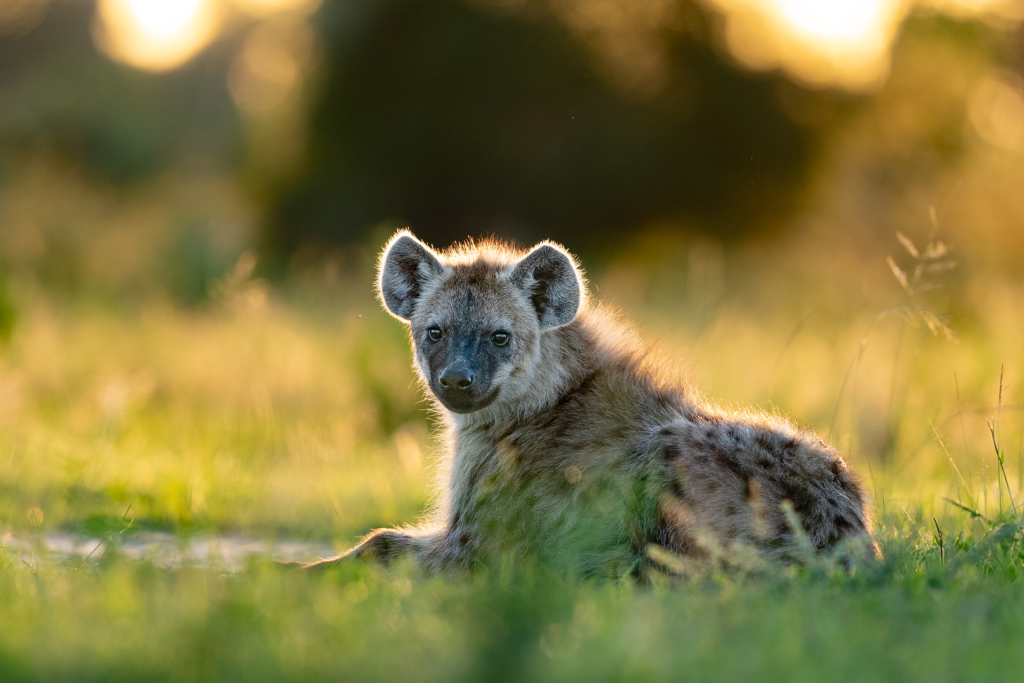
The spotted hyena is an intelligent social predator and scavenger, living in groups called clans. Recognisable by its sloping back, rounded ears and spotted coat, it has exceptionally powerful jaws. Hyenas hunt a variety of prey and also feed on carcasses, playing an important role in keeping ecosystems healthy by consuming remains.
Where to See Animals on Safari in Africa
Some of the best wildlife destinations in Africa span across East and Southern Africa. Kenya’s Masai Mara is celebrated for its big cats and the Great Migration, while Tanzania’s Serengeti and Ngorongoro Crater offer extraordinary wildlife experiences. In Botswana, the Okavango Delta and Chobe National Park are known for elephants and diverse habitats. South Africa’s Greater Kruger region offers excellent Big 5 viewing. Namibia’s Etosha National Park is known for waterhole sightings, while Zambia’s South Luangwa and Zimbabwe’s Hwange offer rewarding, often quieter safaris. The right park depends completely on the species you hope to see, the season and your preferred style of safari.
Best Time for an Animal Safari in Africa
The best months for an African safari depend on the region. In East Africa, June to October generally brings drier weather and excellent game viewing in the Maasai Mara and Serengeti due to the open grasslands. January to March is rewarding in Tanzania’s southern Serengeti during the wildebeest calving season. In Southern Africa, May to October is a popular safari period, as vegetation thins and wildlife gathers near water. Green-season months offer lush scenery, migratory birds and newborn animals.
Frequently Asked Questions
Which animal is the rarest to see on safari?
Pangolins are among Africa’s rarest and most elusive mammals. Nocturnal, solitary and heavily threatened by illegal wildlife trade, they are exceptionally difficult to encounter on safari, even in protected areas.
What are the safari cats of Africa?
Africa’s safari cats include lions, leopards and cheetahs, as well as smaller wild cats such as servals and caracals. Each has distinct hunting techniques and habitats.
Which African country has the most safari animals?
Tanzania, Kenya, Botswana and South Africa all support remarkable wildlife. The best choice depends on the species you hope to see, the habitats you prefer and the season.