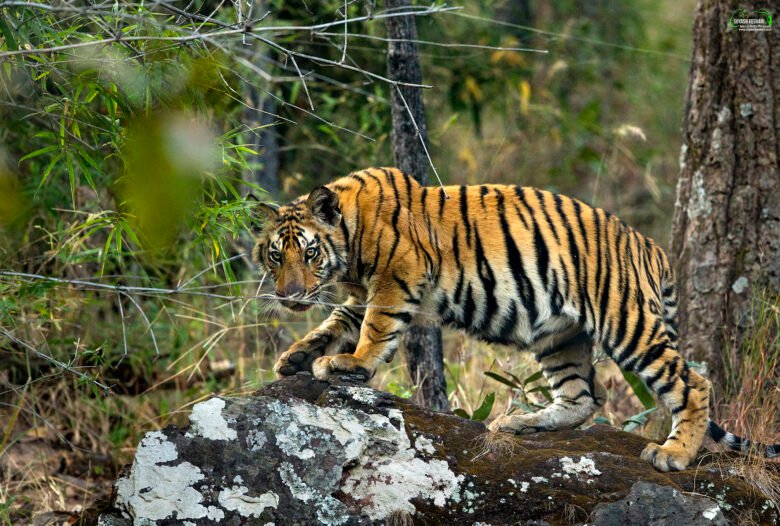


India Tiger Population: Is the Rise Sustainable?
India’s tiger population has been steadily increasing- a positive sign that many of us celebrate. However, beneath this encouraging statistic lies a pressing concern that few are aware of: this growth in numbers is not sustainable.
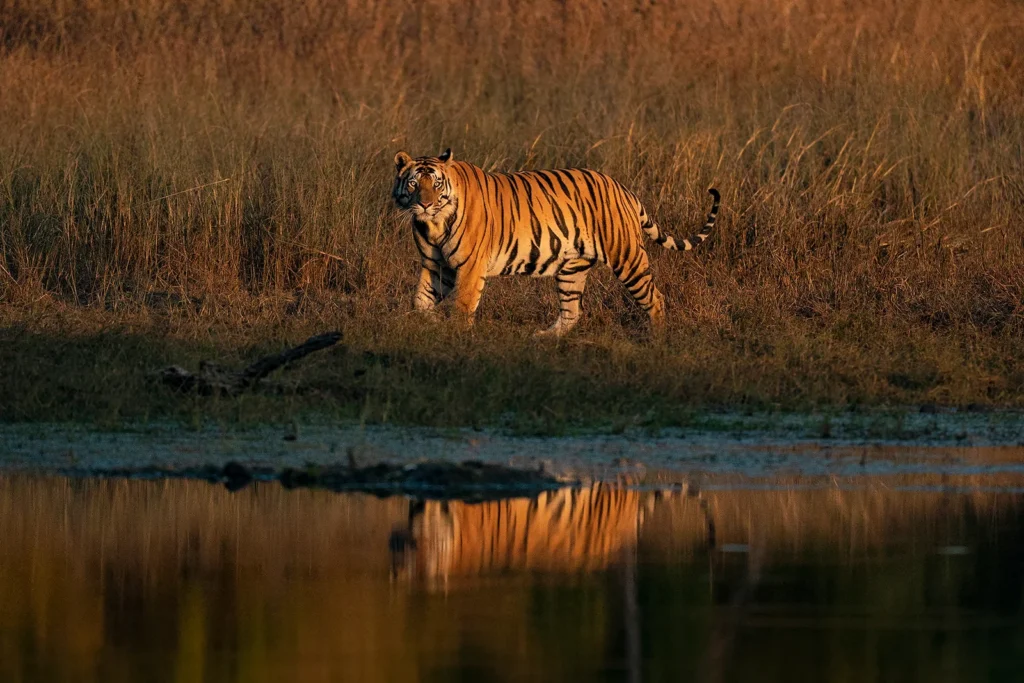
Current Population of Tigers in India
According to the latest official All India Tiger Estimation, India has an estimated 3,682 wild tigers, with the population ranging between 3,167 and 3,925. This figure was reaffirmed by the Government of India in July 2026, making it the latest published national estimate. India is home to nearly 70% of the world’s wild tiger population, making it the most important stronghold for this magnificent species. The numbers reflect remarkable progress in conservation, with the estimated population rising from 1,411 in 2006 to 3,682 in 2022. Madhya Pradesh recorded the highest state population, with 785 tigers, followed by Karnataka and Uttarakhand.
Number of Tigers in India by State
India’s tiger estimation recorded populations across several states, with Madhya Pradesh leading at 785 tigers. Karnataka followed with 563, closely followed by Uttarakhand at 560. Maharashtra recorded 444, while Tamil Nadu had 306. Assam was home to 229 tigers, Kerala to 213 and Uttar Pradesh to 205. Other states and regions also support smaller populations, highlighting the importance of connected habitats and conservation efforts across the country. Together, these landscapes form vital strongholds for the species, although populations and trends differ between regions.


How India’s Tiger Population Has Grown Over the Years
India’s tiger population has more than doubled since the first nationwide estimate in 2006, rising from 1,411 to 3,682 in 2022. The figures show steady growth across successive assessment cycles: 1,706 in 2010, 2,226 in 2014 and 2,967 in 2018. This recovery shows decades of conservation work, including protected-area management, anti-poaching measures, habitat protection and monitoring. The latest estimate places India among the world’s most important strongholds for wild tigers. While the upward trend is encouraging, continued efforts are essential to protect habitats, maintain wildlife corridors and reduce human-tiger conflict as populations expand across landscapes where people and wildlife coexist.
The Harsh Reality About The Rising Tiger Numbers
According to the 2022 census, India is home to 3,167 tigers across more than 50 reserves, but there exists a stark disparity in how these majestic creatures thrive across different regions.
Take Bandhavgarh, for instance. With an area of just 1,538 square kilometers, it is currently inhabited by over 200 tigers. This has led to overcrowding—an imminent threat to the health of the ecosystem and the very survival of the species. In stark contrast, Ramgarh Vishdhari in Rajasthan, located near the famed Ranthambore National Park, boasts an expanse of 1,500 square kilometers but is home to only one solitary tiger. Such discrepancies underscore a significant imbalance in tiger distribution across the country.

Aiming For a Sustainable Solution
Many of India’s tiger reserves are either devoid of tigers or struggling with overpopulation in other areas. For the health of the tiger population and biodiversity as a whole, we need a strategic shift-
- More land must be designated as tiger reserves
- Relocation of tigers from overcrowded areas to the deficit areas.
This approach is essential for ensuring that the rise in tiger numbers is sustainable amidst rapid economic development.
Do We Have a Hand in it?
As we strive to progress, we have unwittingly begun encroaching on ecologically sensitive regions. Infrastructure projects—roads, agricultural fields, and railway lines—are being built in and around national parks, fragmenting habitats and creating barriers that hinder wildlife movement.
The result- A stark disparity between today and tomorrow.
Tigers seeking to escape from overcrowded areas face insurmountable obstacles. Years ago, a tiger could traverse natural corridors linking various reserves, but today, those pathways have been severely restricted.

For example, a tiger from Bandhavgarh can now only access Sanjay-Dubri Tiger Reserve through a narrow corridor, a reality that starkly contrasts the former connections between Bandhavgarh, Kanha, Panna, Pench, Tadoba and then more protected forests, which together facilitated a thriving population of tigers and other wildlife. This fragmentation is detrimental, not only for tigers but for the entire ecosystem.
This Impacts the lives of Tigers
If you have read about SOLO’s story, you already know how this situation impacts the lives of tigers living in the surplus areas. To summarize, it’s the story of a tigress who grew up as an independent queen, fought many battles throughout her years as an adult- many more than she should have- and came out victorious. But ultimately, this tigress met her end in the most devastating way. This is a story that speaks to the true impact of this crisis. Read Part 1 of Solo’s story here


But it’s not too late- we can fix this!
We stand at a critical juncture in wildlife conservation. The decisions and policies we implement today will shape the future of our tigers and overall biodiversity. It is imperative that we rally support from policymakers and stakeholders who can influence positive change. Together, we must advocate for the creation of wildlife corridors, expansion of protected areas, and ensure that every tiger has the opportunity to thrive in a healthy and balanced ecosystem.
Let’s work together to ensure a sustainable future for every single tiger. Share this message with those who hold the power to influence policy, and let’s collectively strive for a world where our majestic tigers can roam freely across their natural habitats once again. The vitality of our ecosystems hinges on the actions we take today—let’s make them count.
Frequently Asked Questions
How many tigers are there in India?
According to the latest official nationwide estimate from 2022, India has approximately 3,682 wild tigers, with an estimated range of 3,167–3,925. This makes India home to the world’s largest wild tiger population.
Which state has the highest number of tigers in India?
Madhya Pradesh has the highest number of tigers in India, with an estimated population of 785 in the 2022 census. It is followed by Karnataka with 563 and Uttarakhand with 560.
What percentage of the world’s tigers live in India?
India is home to approximately 70% of the world’s wild tigers, making it the most important stronghold for the species. Its protected forests and tiger reserves play a vital role in global conservation.
Why is the tiger population in India increasing?
India’s tiger population is recovering through sustained conservation efforts, including stronger anti-poaching measures, protected habitats, wildlife corridors, scientific monitoring and community participation. These initiatives have helped create safer landscapes for tigers to survive and breed.