Bardiya National Park
Embark on a safari in Bardiya National Park – WALKING IN TIGER COUNTRY
Nepal's Last Great Wilderness
Few wildlife experiences can rival the thrill of exploring prime tiger habitat on foot, following fresh pugmarks through sandy riverbeds, sal forests, and vast grasslands. Hidden deep within the western Terai, Bardiya National Park offers one of Asia’s most authentic and immersive safari experiences.
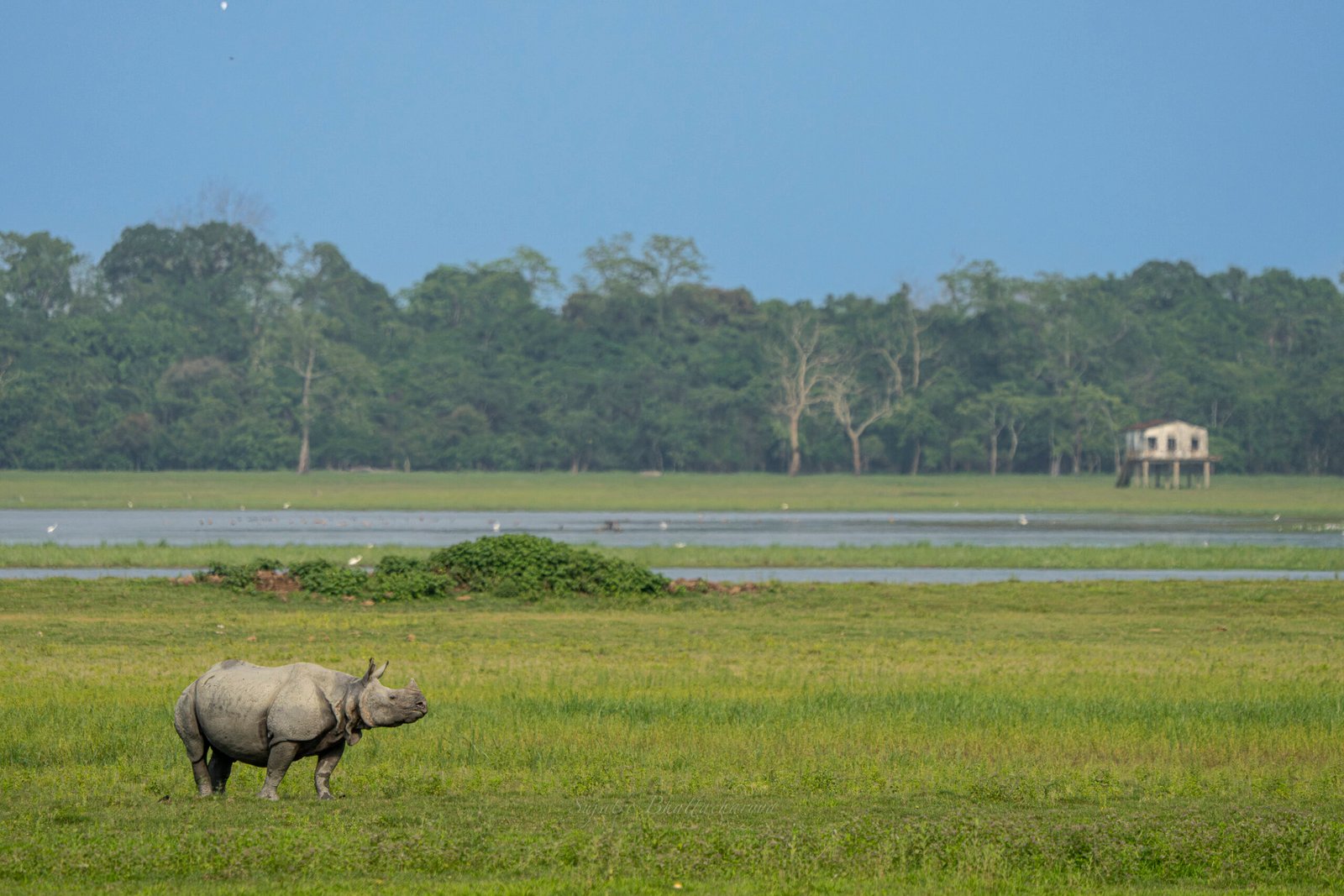
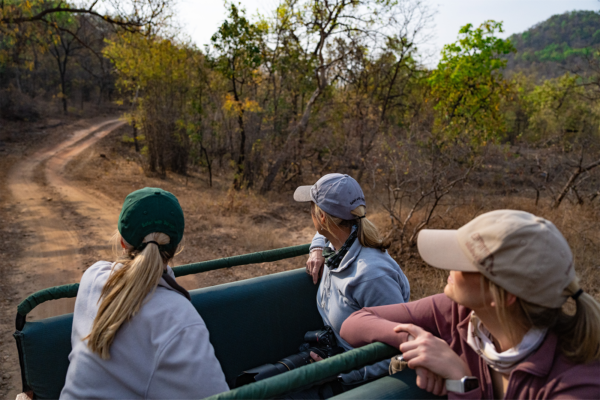
The wilderness can be explored in a variety of ways, from guided walking safaris with indigenous Tharu trackers to full-day jeep safaris through remote sections of the park and rafting expeditions along the Karnali River. Each experience offers a unique perspective on this remarkable landscape and the opportunity to encounter Bengal Tigers, Greater One-Horned Rhinoceroses, Asian Elephants, Sloth Bears, Gangetic Dolphins, Gharials, and an extraordinary diversity of birdlife.
With few visitors, vast wilderness areas, and exceptional wildlife, Bardiya remains one of the last places in Asia where safari still feels like a true adventure.

Bardiya National Park
at a Glance
Wildlife
Bardiya National Park offers visitors some of Asia’s most immersive wildlife encounters. Renowned for its healthy population of Bengal Tigers, the park is also one of Nepal’s finest strongholds for the Greater One-Horned Rhinoceros and Asian Elephant. Exploring the wilderness on foot, by jeep, or along the Karnali River, guests may encounter Sloth Bears, Leopards, Gharials, Mugger Crocodiles, Gangetic Dolphins, and an exceptional diversity of birdlife. The park’s vast grasslands, riverine forests, and sal woodlands support a rich assemblage of deer species including Chital, Sambar, Hog Deer, and Barking Deer, making Bardiya one of the most rewarding wildlife destinations in the Indian Subcontinent.
Vegetation
Nestled within Nepal’s western Terai, Bardiya National Park is defined by a striking diversity of landscapes, where ancient sal forests, riverine woodlands, expansive alluvial grasslands, dry riverbeds, oxbow lakes, and fertile floodplains merge to create one of South Asia’s most beautiful wilderness regions. Shaped by the Karnali and Babai river systems, the terrain transitions seamlessly between dense forest, open savanna-like grasslands, and broad sandy riverbanks, offering a constantly changing backdrop for exploration. The sheer variety of landscapes, combined with the opportunity to explore them on foot, by vehicle, or along the river, makes Bardiya a truly unique and immersive wilderness experience.
Birding
Bardiya National Park is one of Nepal’s premier birding destinations, offering exceptional opportunities to observe a remarkable diversity of birdlife across its varied habitats. From towering sal forests and riverine woodlands to vast grasslands, wetlands, oxbow lakes, and the braided channels of the Karnali and Babai rivers, each ecosystem supports its own unique avian community. Birders can encounter everything from colorful kingfishers, bee-eaters, barbets, and hornbills to raptors, storks, and elusive grassland specialists. The park is also renowned for rare species such as the Bengal Florican, Finn’s Weaver, Black-bellied Tern, and Pallas’s Fish Eagle. Low visitor numbers and extensive wilderness create an intimate birding
Tap Here To Enquire
Plan Your Journey to Bardiya National Park
Please fill this form to the best of your knowledge, and our team will reach out to you to help plan your journey in the jungles of Nepal
Things to Do on a Luxury Safari in Bardiya
Game Drives
Walking Safari
Rafting Safari
Sundowner
Birding
Culture
Here's something interesting
Bardiya’s grasslands are periodically reshaped by the Karnali River, creating a constantly changing mosaic of habitats that naturally boosts prey densities for tigers and leopards
Best safaris in india, tiger safari in India, tiger safari in satpura national park, luxury safari in satpura national park, best luxury tiger safari in satpura national park, privately guided safaris,Β best jungle safari in india, best safari company in india, best satpura safari, india’s big 5
How to reach Bardiya National Park
AIR
The nearest airport to Bardiya National Park is Nepalgunj Airport (KEP), located approximately 90 kilometres from the park. Regular domestic flights connect Nepalgunj with Kathmandu, making it the most convenient gateway to Bardiya. From the airport, guests can enjoy a comfortable road transfer of approximately 2 hours through the scenic landscapes of Nepal’s western Terai.
ROAD
Kathmandu to Bardiya National Park β Approx. 500 km | 12β14 Hours
Nepalgunj Airport to Bardiya National Park β Approx. 90 km | 2 Hours
Safari Accommodations in Bardiya National Park
Classic or Premium accommodations with all required amenities, viewing decks, and en-suite toilets. Charming common spaces, chef prepared three-course meals and award winning hospitality. Suitable for travelers looking for a authentic safari experience in Nepal.
Related Safari Destinations
Want a Tailor-Made Safari in Bardiya National Park?
From the moment you start planning your luxury safari with Ameliya, weβre with you every step of the way- planning the itinerary according to your level of comfort, and booking accommodations to suit your level of exclusivity. While the remote team handles your bookings, transfers, and other arrangements, our ground team is by your side, 24-7, for anything you may need, from start to finish.Β
Ready to take the next step?
luxury safari in satpura national park, satpura national park luxury safaris, luxury safaris in satpura national park, bori wildlife sanctuary, satpura tiger reserve, safari booking in satpura wildlife sanctuary, luxury safaris, satpura,Β
The Great Migration in April and May
Following the birthing season in February and March, the wildebeest herds begin their gradual journey northwest by April, seeking the lush, rejuvenated grasses of the central Serengeti. Accompanied by thousands of zebras and smaller antelope, they make their way toward the Moru Kopjes by May, forming vast columns that stretch for kilometers. As the landscape hums with new life, the annual rut begins, with male wildebeest engaging in head-to-head battles for dominance. Despite the fierce competition, the herds move at a steady pace, grazing alongside their companions.
Momentum builds as they approach the Serengetiβs Western Corridor, where the challenge of the Grumeti River awaits. While these crossings may lack the dramatic notoriety of the Mara River, they remain remarkable in their own right. Crocodiles lie in wait, seizing opportunities amid the surge of wildebeest. For travelers, this season offers a more intimate safari experience β fewer crowds, uninterrupted views, and an abundance of wildlife encounters, making it a particularly rewarding time to explore the Serengeti.